Death inquest provides recommendations, sister speaks out

Aug 15, 2014 | 12:04 PM

A coroner’s inquest into the death of a man who had alcohol issues has provided some food for thought for Prince Albert’s public services.

Morris Ermine was 77 years old when he died and the Chief Coroner wasn’t completely sure that it was entirely due to natural causes or that it was not preventable.

He had been picked up by police officers for public intoxication on July 18, 2012. When taken to the brief and social detoxification unit, his unruly behaviour was deemed against their policies and he was then arrested and taken to Prince Albert Police Service (PAPS) cells for the night.

More than 12 hours later, he fell off the concrete slab with a mat on it he had been sleeping on. He pulled himself up that time, but several hours later he fell and took his last independent breaths.


Paramedics arrived about 10 minutes after the collapse and regained a pulse. He was transported to hospital and then transferred to Saskatoon’s Royal University Hospital.

He died on July 21, 2012 after 7 p.m.

Sister speaks out

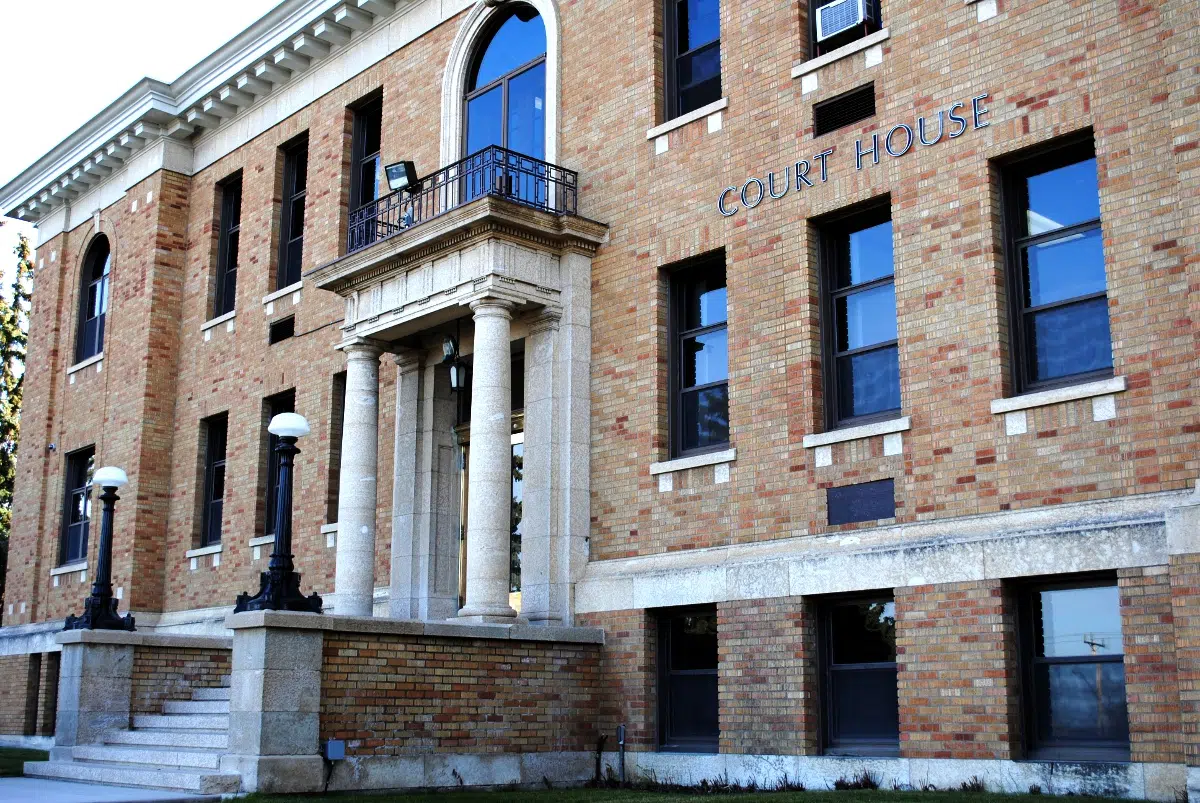
While an inquest shared the details behind Morris Ermine’s death, his sister sat silently in the Prince Albert courtroom.

Violet Charles, an elderly woman from Little Red River First Nation, describes a tough start to life for her and her brother.

Their mother died when Charles was seven years old and they were separated as they lived in different homes over the years.

Charles said they didn’t see each other often because she married a man from Little Red River Reserve and has lived there since.

She said Ermine, who died at 77, worked in Sturgeon Lake Reserve.

“He used to be a good worker. In Sturgeon he used to have a job as a janitor at the school … I think he quit when he turned 60 or 65,” Charles said.

While Sturgeon remained his home base, Charles said Ermine had a girlfriend in Prince Albert and they would drink together often.

Their limited visits usually happened when Charles came into Prince Albert.

“I’d just see him in the credit union or else on the street and he’d offer me a coffee and we’d go have coffee,” she said.

“He was always singing for everybody. That’s the only thing he does,” Charles said, adding that the song “North to Alaska” was one of his favourites.

Even though she said Ermine was a wonderful person who was kind to everyone he meets, his drinking was a concern for Charles.

“I was worried about him all the time. I’d tell him to slow down but he’d always say ‘I can look after myself. The Creator is going to look after me,’” she said.

She was contacted when Ermine was taken to hospital in Saskatoon. Charles didn’t get a chance to speak with him again, explaining that he was hooked up to numerous machines to help keep him alive. Doctors told her he wasn’t going to make it “and even if he does he’s going to be a vegetable.”

Ermine asked them to unhook the machines and prayed. However, he passed away soon after.

Charles attended two days in the three day inquest.

She said the video of her brother in a prison cell made her cry, including Ermine falling off his makeshift bed on a concrete slab.

“When he fell off, they [guards] didn’t attend to him. They just kept looking at him, but that was it. They didn’t go and check if he was okay. They just left him there,” Charles said.

When asked what she would like to see come out Ermine’s inquest, Charles said “I hope the policemen will treat the other patients, the other drunks, better than the way he was treated.”

Jury recommendations

The six-person jury concluded that the cause of Ermine’s death was pneumonia and that it was by natural means.

They submitted their recommendations to prevent future deaths of this nature after a three day-long inquest that ended on Wednesday night.

The purpose of the inquest was to inform the public of those circumstances, provide recommendations to prevent future deaths of that nature, and to warn the public of practices that cause deaths in that manner.

Here is a summary of most of those recommendations:

1. Earlier on Wednesday they heard testimony from PAPS Staff Sgt. Brent McDonald was internally assigned to investigate what led to Ermine’s heart and breath stopping in a station cell.

They agreed with recommendations that had come out of his investigation. This includes implementing mandatory recertification training for police members in CPR/First Aid and automated external defibrillators (AED).

McDonald also advised that “the future the detoxification unit staff should make a clear decision whether they are refusing admission to their centre. Until such a decision is made the police should turn the subject over to Detox staff.”

He stated that “a Sergeant on duty should be notified of any absence from guard watch to ensure coverage during a guard or matron’s absence.”

Another recommendation they agreed with was that agencies and the government should collaborate “to find suitable alternatives to deal with alcoholism to ensure the safety of intoxicated persons.”

2. They recommend that guards with PAPS should be trained in first aid, CPR, and AED.
3. The jury would like the (PAPHR) Prince Albert Parkland Health Region’s Brief and Social Detoxification Program to put in writing when they refurs or decline a client or prisoner and supply police with a copy.
4. The jury recommends maintaining financial support from PAPS toward the Community Mobilization Program, which assists with social programs in the community.
5. The jury also believes the detoxification program should expand capacity, equipment, and qualified staff.
6. They recommend that PAPS upgrade their communication devices so that employees can communicate with dispatch from the cell block without having to move. They would also like cameras to be on all the time and record both audio and video.
7. The final recommendation is that PAPHR tries to secure a cardiologist and the ability to do angiograms in Prince Albert.

claskowski@panow.com

On Twitter: @chelsealaskowsk