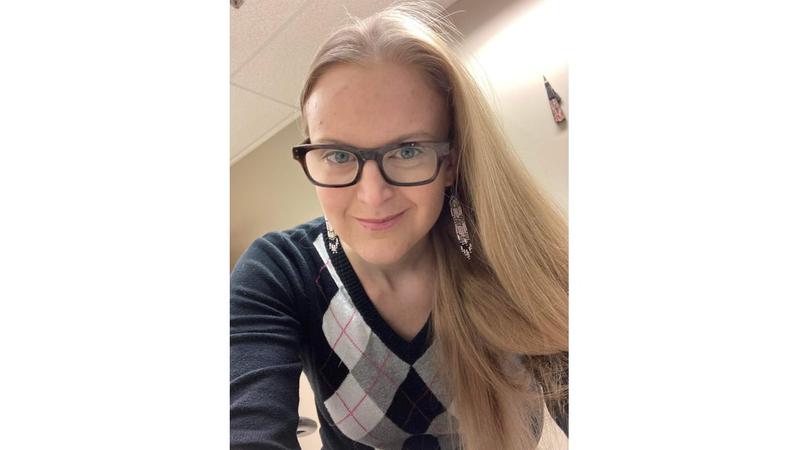
Sheila Price is a mental health therapist and certified counsellor. (Submitted photo/Sheila Price)
staying healthy

Therapist offers advice on maintaining mental health during the holidays

Dec 15, 2021 | 12:55 PM

The upcoming holidays have joyous affect on some people, but for others it is a time where they struggle with mental health the most.

“I basically see the holidays as amplifying our attention to the things we are already not-so-happy about throughout the rest of the year,” mental health therapist Sheila Price wrote in an email to larongeNOW. “There is also a strong, usually unspoken, yet implied societal expectation to be happy and in a chipper, joyous mood during this time of year. This pressure combined with the hyper-reminder of our usual daily struggles, can be very detrimental for our mental health.”

Price explained financial struggles, grief and loss of a loved one are all issues that people can be unhappy about during the holidays. She said expectations like “a new year and a new you” can be quite invalidating and can imply someone has done it all wrong over the last 365 days.

Price noted people should stay aware of what is best themselves and their mental health, adding protecting your mental health is not selfish.


“If a big family gathering will force you to see someone who has hurt you, you are simply not obligated to go,” she said. “If you have been struggling with substances and you know you will be pressured to take part in these kinds of activities, you are simply not obligated to go. This is not being picky and this is not being rude. If attending certain events will significantly trigger you, take care of yourself and don’t succumb to pressure from others.”

Seeking mental health support should be as normal as going to the dentist or the doctor, Price mentioned. People don’t need to be at their breaking point in order to seek help.

Price recommends someone should talk to a counsellor if they are feeling hopeless or helpless towards usual stressors, or if they have increased thoughts of death or suicide, or of harming others. She stated thoughts are different than intent, and it is part of being human to sometimes imagine scenarios which someone would probably criticize themselves for having.

“Thoughts are just thoughts; you are not a bad person for having them,” Price said. “But they may simply be a signal that it is indeed time to reach out.”

If someone notices another person struggling with their mental health, Price advises to be gentle and empathetic when asking what is wrong. She said validate what they are saying and ask about their mental health in a calm, normalizing way.

“People in distress are the best at picking up on judgement from others, so approach with genuine kindness and concern,” Price said. “Finally, hold the advice unless they specifically ask for it. Keep their safety as your top priority. Better to have them or you feel a bit embarrassed or even annoyed by you seeking emergency help than to leave them struggling in a dangerous situation.”

Price will be available for therapy sessions to those covered under the First Nations and Inuit Health Branch or Victim Services between Dec. 24 to 27 and Dec. 31 to Jan. 2.

Other resources available are the Canada Suicide Prevention Service at 1-833-456-4566; text 45645; or chat crisisservicescanada.ca, 24-Hour Crisis Line at 1-800-567-3334, Kids Help Phone at 1-800-668-6868, and the National Indian Residential School Crisis Line at 1-866-925-4419.

derek.cornet@pattisonmedia.com

Twitter: @saskjourno

View Comments