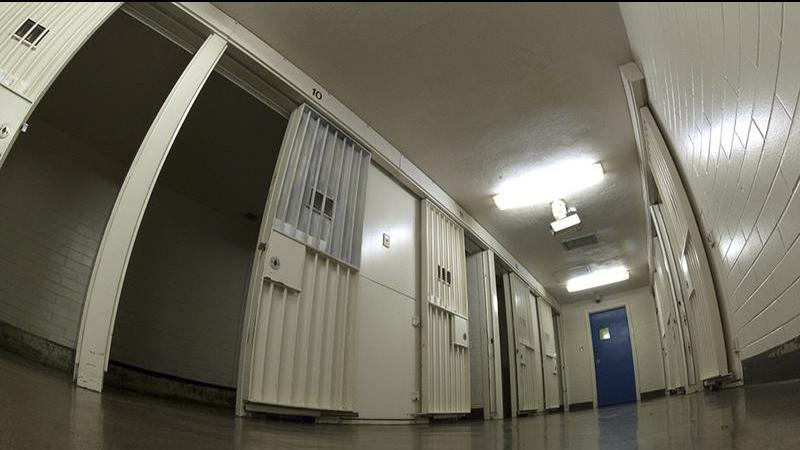
(File photo/paNOW Staff)
Corrections

National group calls on Feds to address increasing number of Indigenous women in prison

May 6, 2022 | 5:00 PM

Citing the high number of Indigenous women incarcerated in federal institutions, the Native Women’s Association of Canada (NWAC) is demanding the federal government take immediate action.

According to a report from the country’s corrections investigator, First Nations, Métis, and Inuit women now account for 50 per cent of the prisoners being held in a federal correctional institution, even though they make up just five per cent of Canada’s female population. Lisa Smith is a former criminal lawyer and currently NWAC’s senior director of governance, international and parliamentary relations.

“It’s shocking, it’s tragic, it shouldn’t be happening,” she said.

A quarter century ago, the Supreme Court declared that the high number of Indigenous women behind bars constituted a “crisis” in the criminal justice system. At that time Indigenous women represented 19 per cent of federal female inmates. Smith explained promises by the federal government to address the numbers dates back to 2001’s Throne Speech.


“Obviously it’s fallen on deaf ears. The system isn’t responding to those promises so essentially they are empty,” she said.

NWAC is calling on the government to immediately act on recommendations made by the Corrections Investigator in February of this year, including his demand that the Correctional Service of Canada develop an actionable plan, in consultation with stakeholders, to reduce the overrepresentation of Indigenous people in custody.

Smith explained without taking a trauma informed approach, not thinking restorative justice, the situation will not improve. In 1999, the Supreme Court decision on Gladue ruled when there is an Indigenous accused, the court must look at alternative ways to sentence them. Prior to sentencing, judges are asked to take into account an individual’s background circumstances such as whether their parents went to residential school, and whether they lived in poverty.

“I know some provinces don’t use a Gladue report when they have an Indigenous accused,” Smith said.

Another option cited by Smith was the use of healing lodges, explaining how they are an effective way to addressing the trauma approach, as the female offenders can essentially receive treatment in their own communities.

“Not only do we have the tools but the tools have been identified. They are just not being implemented,” Smith said.

nigel.maxwell@pattisonmedia.com

On Twitter: @nigelmaxwell

View Comments