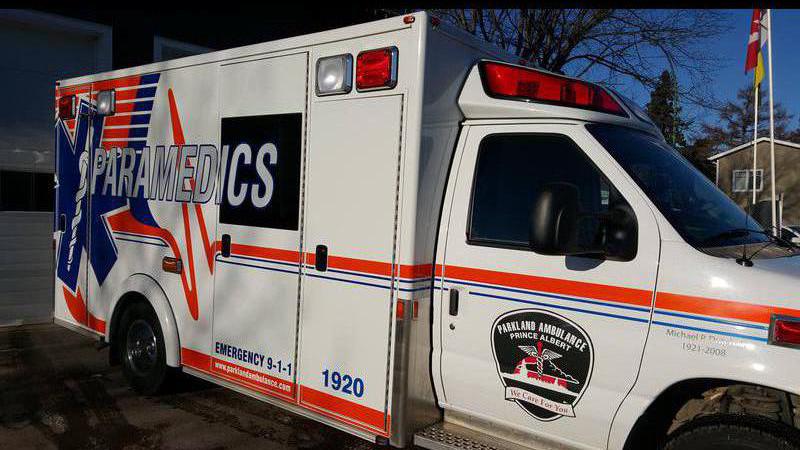
From paramedics to Mobile Crisis, a rise in addictions and overdoses is noticeable for many community groups. (File Photo/paNOW Staff)
More Overdose Deaths

Local paramedics, support workers trying to keep up with rising addiction crisis

Jan 17, 2023 | 12:00 PM

Over the last nine years, Saskatchewan has seen a steady increase in overdose deaths, and 2022 saw yet another record on that front. Prince Albert has seen its own share of drug and substance related problems.

In the Prince Albert area, paramedics can just about rely on having calls related to overdose or addiction. In fact, it’s nearly a guarantee on any given shift.

“Our paramedics would see an addiction or overdose related issue at some point during their regular shift,” said Lyle Karasiuk, director of public affairs with Parkland Ambulance. “That may be over the course of 24 hours, maybe 36 or 48, but at some point in their shift, they’re going to see someone who needs that extra care.”

When paramedics encounter someone who has overdosed on a drug, they need to know what they’re treating. In an opioid overdose, for example, their first goal is to get the person breathing again.


“If our paramedics encounter someone who is not breathing well or not breathing at all due to what might be an opioid overdose, then naloxone is the drug of choice,” Karasiuk said. “That certainly is available in the public sense. Our public can go to our local pharmacy, or take a course with the Canadian Red Cross online, and get a naloxone kit.”

Even if someone doesn’t overdose, they may still need help for their drug use, and local organizations which provide that help are seeing more and more people searching for it.

“Our calls are up as well with those kinds of calls,” said Vicki Stewart, executive director of Prince Albert Mobile Crisis. “We never know whether it’s from Prince Albert and area because we don’t have call display so they could be calling from anywhere.”

According to Stewart, that anonymity can be what people need to really open up and talk about their problems en route to getting more help, even if it does make it harder to gauge the problem locally.

“People are more comfortable sharing their experience and what they’re up against,” Stewart said. “They’re more willing to share and look for support.”

Meanwhile, in emergency situations, Karasiuk said the onus to help is often on members of the public, because paramedics can’t be everywhere.

“The public needs to understand the opioid problem is not stigmatized to a certain group,” he said. “Opioids happen in all walks of life, to all age groups. The sooner we as the public get past the stigma associated with our opioid problem… the sooner we can then begin to realize that maybe a naloxone kit is as commonplace in a public setting as your first aid kit.”

Karasiuk added if people think they know someone who is at risk of an overdose, they should consider reaching out to addictions counselors and obtain a naloxone kit.

rob.mahon@pattisonmedia.com

On Twitter: @RobMahonPxP

View Comments