ID 1170176 © Indykb Dreamstime.com
2025 Saskatchewan Crop Report

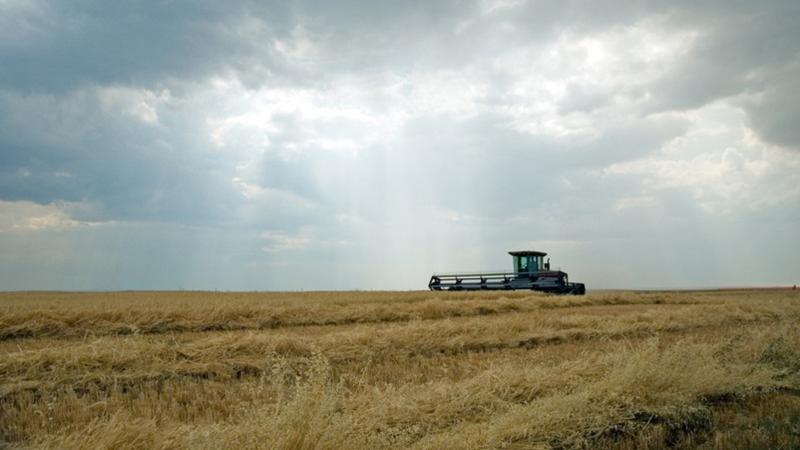
Saskatchewan farmers making progress with the 2025 harvest

Sep 12, 2025 | 10:02 AM

Dry weather allowed farmers to stay out in the field longer and get more crops in the bin.

The provincial crop report has harvest at 41 per cent, up from 23 per cent last week.

The southern regions lead the charge with the southwest at 55 per cent complete and the southeast at 50 per cent. The northwest region is 41 per cent done harvest, east-central at 31 per cent, and the west-central and northeast are at 27 per cent.

Crops Extension Specialist Tyce Masich said almost all of the winter cereals and field peas are in the bin, while other crop types continue to be combined.


“Anywhere between one-third to one-half of spring cereal crops have been taken off across the province, and that just depends on crop type and where you are in the province,” Masich said. “Producers are starting to combine canola as well. About one-tenth of canola in the province has been combined, and I expect that number to increase over the next week, especially if we get some good dry conditions.”

Crop reporters were able to collect yield data and Masich noted they’re higher compared to historical averages, which is a good sign. In terms of specific numbers, spring wheat on average is yielding 50 bushels an acre in the province, barley is at 71 bushels an acre, canola is 39 bushels an acre, field peas 42 bushels an acre, and lentils are yielding 1,784 pounds per acre.

“So those are some pretty good yield numbers, especially as they’re above our historical averages, but there’s still lots of crops to take off, so it’ll be interesting to see if these numbers keep up as more crops come in,” he said.

The warm and dry conditions bring up concern over bin heating. Masich said producers are reminded to monitor stored grain closely.

“The grain is typically warm when it enters the bin, so producers just have to make sure they do a good job of aerating it and drying it off just to release any moisture and heat from it for it to be suitable for long-term,” he added.

In addition to combining, producers are also busy swathing and desiccating later seeded crops, baling straw, hauling bales and grain. Some producers have started fall field work such as harrowing and post-harvest spraying for weed control.

Topsoil moisture conditions were down due to dry conditions with crop land moisture rated at 58 per cent adequate, hay land moisture at 48 per cent adequate, and pasture land at 45 per cent adequate.

alice.mcfarlane@pattisonmedia.com

View Comments