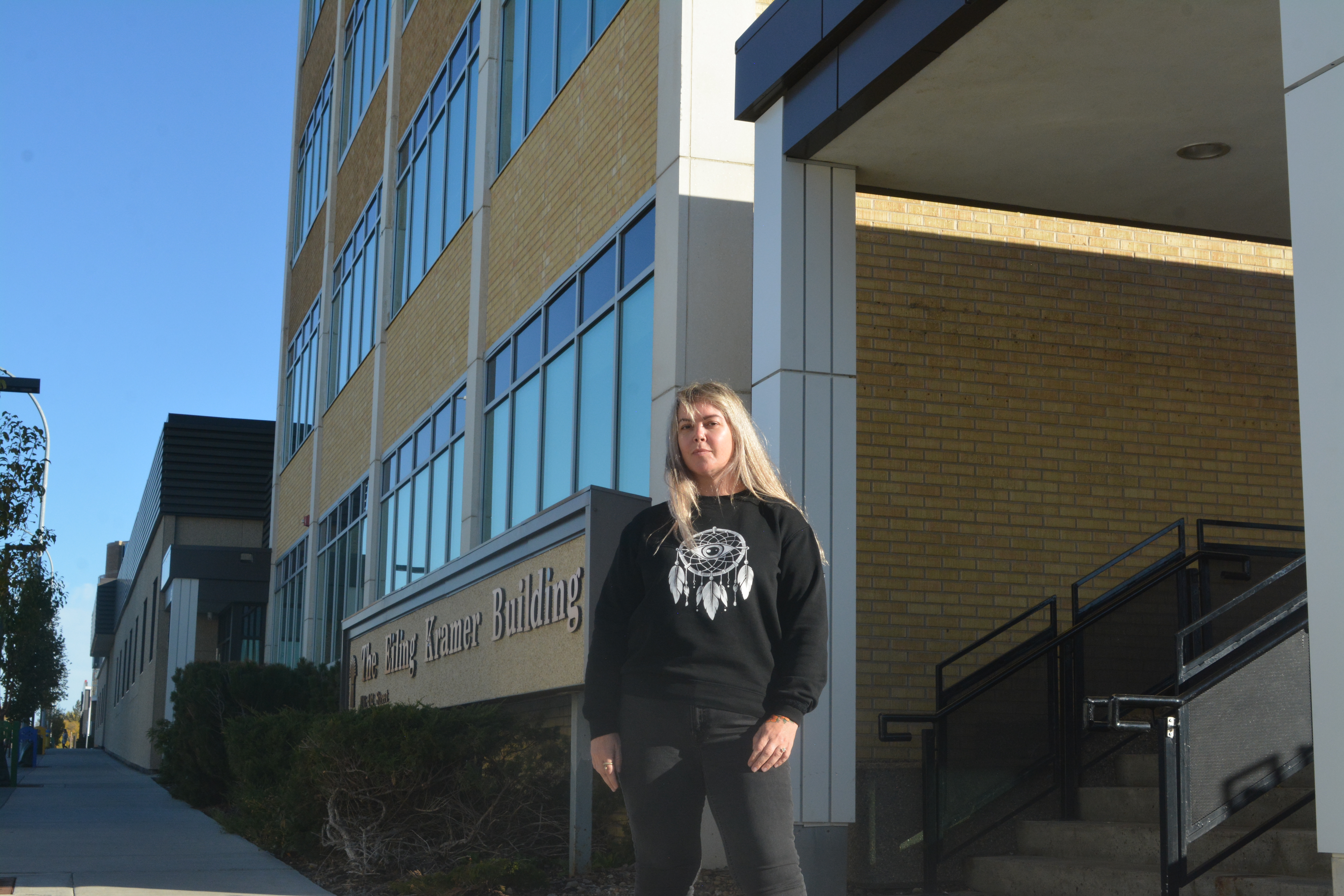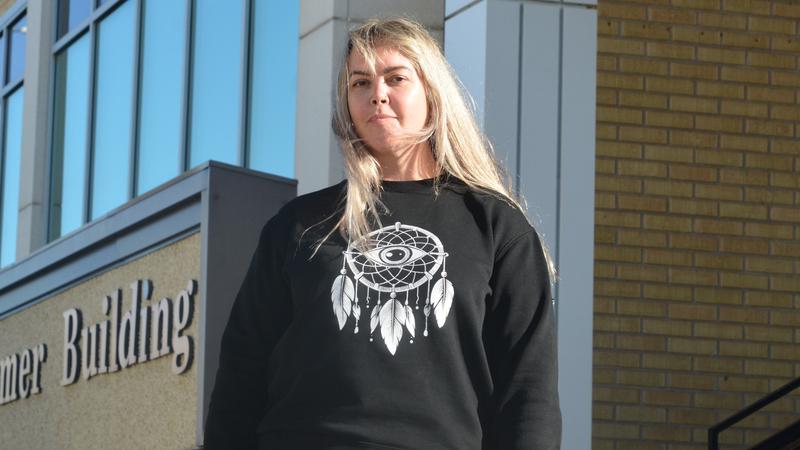
Susan Sebulsky stands outside the Eiling Kramer Building in North Battleford, where her office is located. She is the co-ordinator of North Battleford Drug Treatment Court. (Kenneth Cheung/battlefordsNOW staff)
DRUG TREATMENT COURT

Once jailed for addiction, Susan Sebulsky now helps others find hope through Sask.’s newest drug court

Oct 9, 2025 | 12:00 PM

In a basement office in downtown North Battleford, Susan Sebulsky starts each day with a simple goal — to help someone else find the hope she once needed.

About thirteen years ago, she was behind bars, addicted to crystal meth and newly pregnant. Today, at 49, she coordinates Saskatchewan’s newest drug treatment court in the city — one of 23 across Canada supported by $10.6 million in federal funding.

“It’s a therapeutic court, not a punishing court,” Sebulsky said.

“It’s more about supporting people, showing them that they can trust the justice system again.”

From addiction to accountability

Sebulsky said her struggle began in her teens, fuelled by mental health issues and a sense of not belonging.

“I had little pockets of sobriety here and there, but nothing substantial.”

At 18, she gave birth to her first child — a daughter.

“I was not prepared. I did not have the skills to be a healthy parent,” she said.

“My parents took custody of her when she was around two, and things really went downhill from there. I had convinced myself she would be better off without me.”

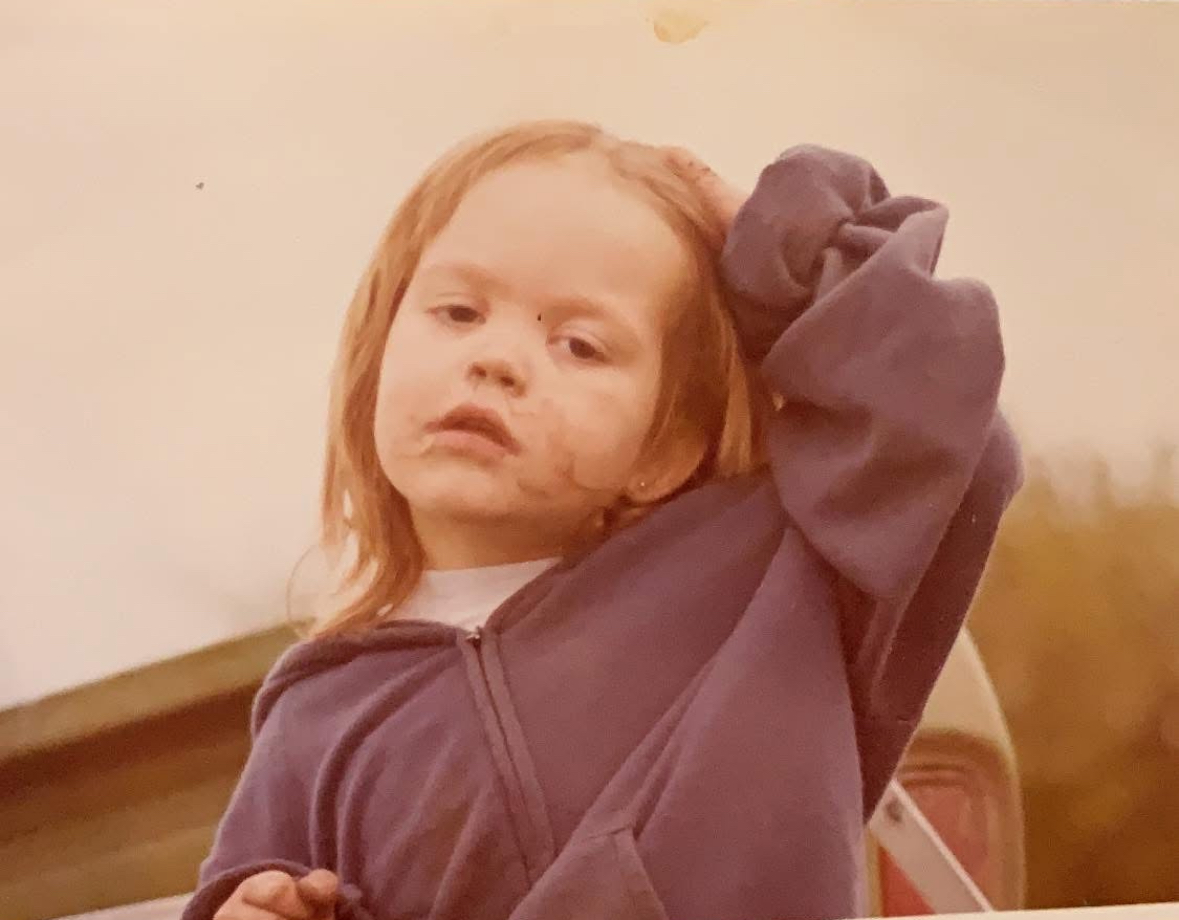
A photo of Susan Sebulsky as a child. (submitted/Susan Sebulsky)

She spiralled deeper into crystal meth use and eventually began dealing to survive.

“When you’re in that lifestyle and you make connections in the criminal world,” she said.

“I had met a lot of drug dealers, and that’s how I started getting into it… I thought, ‘Well, I can support my habit by selling drugs, right?’ — and that’s when the addiction went from just using to committing crimes.”

“I felt like I was trapped.”

A reset behind bars

By 2011, she had hit rock bottom. After skipping a trial in Calgary, she was arrested in Saskatchewan and sent to Pine Grove Correctional Centre in Prince Albert.

The charges she faced included drug trafficking, theft and breaching conditions.

“At that point, I knew I wasn’t getting bail again,” she said. “I knew that I was going to have to face some consequences.”

While in custody, she found out she was pregnant with her son — and knew her life had to change.

“As crappy as being in jail is, I still got a lot of benefit from it,” she said. “It gave me the time to reevaluate my life and think about, ‘Well, I’ve gotten myself in this mess, and what do I do now?’”

Pine Grove offered stability and small signs of hope.

“They had really amazing volunteers that came in and did chapel, and they had some programming,” she said. “I had to fight for the program, but they still gave them to me. So, I did like a cognitive behavioural program that I still use some of those tools today.”

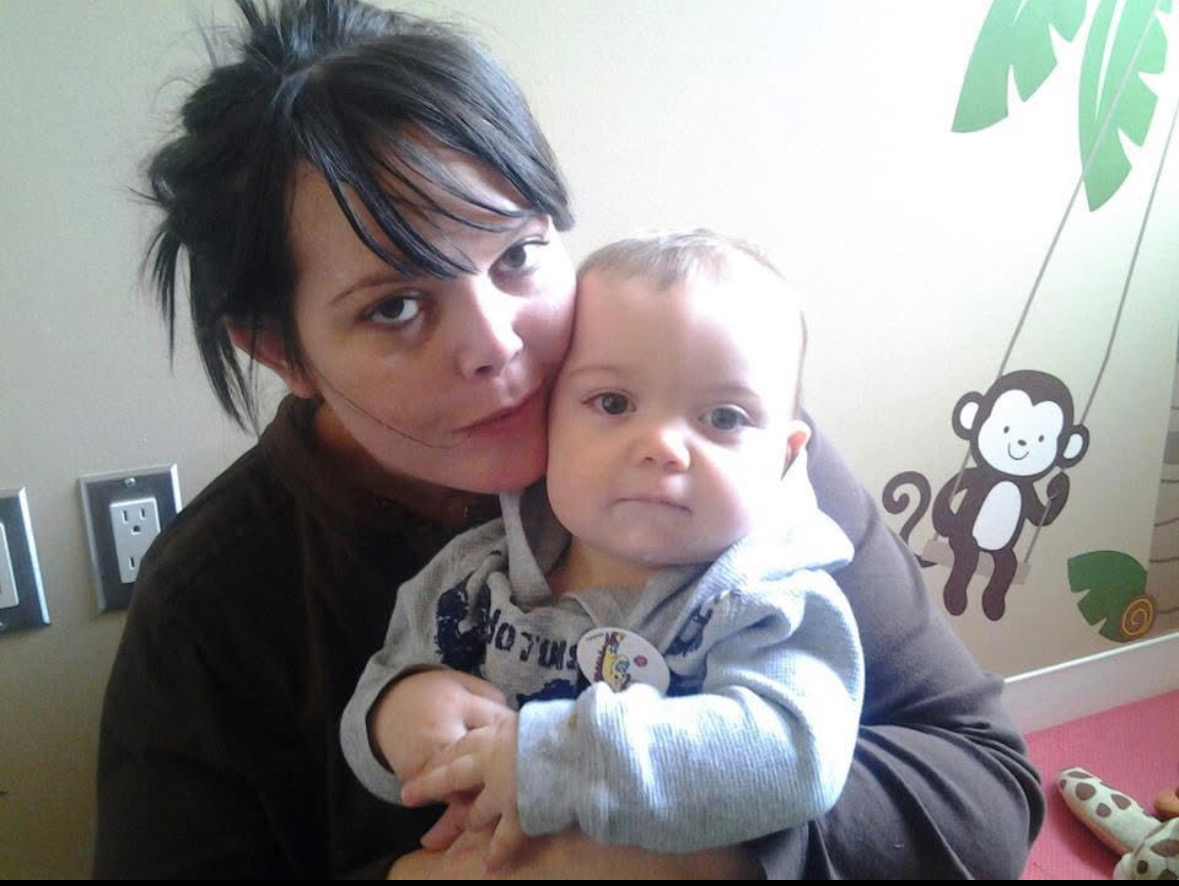
Susan Sebulsky’s son and her in the Regina Drug Treatment Court centre. (submitted/Susan Sebulsky)

Her son was born in 2012. After spending about six months in Pine Grove, she entered Regina’s Drug Treatment Court (DTC) instead of serving a federal sentence.

“It was kind of a no-brainer,” she said.

“I probably would have lost custody of my child because I would have been doing some significant time, or I could put in the hard work and do this program.”

A second chance through justice

Sebulsky entered the 18-month DTC program.

To qualify, she first had to plead guilty to her charges. The program included hundreds of hours of treatment and counselling, drug-screening tests and regular court appearances before a judge every week or two.

She couldn’t apply if her offences involved violence, weapons, children or commercial-level trafficking. If Sebulsky didn’t stick with the program, she’d go to jail.

“It’s not easy — it’s a big commitment,” she said. “Drug court saved my life — there’s no doubt about it.”

“It taught me how to be a responsible citizen again. For the first time in my life, I could get up every morning. I was never late. I got a lot of encouragement and a lot of support.”

At the time, she and her son had a home through a supportive living program called Kate’s Place, run by the Salvation Army. The 24-hour model, she said, was crucial — staff drove residents to programs, helped prepare meals and food-bank supplies, and were always there if someone needed support.

“I remember when my baby was five months old, and there were a few times where babies get sick and they’re they’re up all night,” she said.

“I went into the office, and I asked one of the ladies, I was like, ‘Can you watch him for a little bit so I can sleep?’ — it was support like that that really felt like the key to my recovery journey.”

She graduated in 2014 and went on to work with high-risk youth and incarcerated gang members.

Some of the friendships she built during her own recovery have lasted for decades.

“My best friend from drug court is still my best friend today,” she said. “She’s a support worker for Elizabeth Fry. Another woman from our group became an addictions counsellor.”

Susan Sebulsky during her graduation from the drug treatment court in Regina in April 2014. (submitted/Susan Sebulsky)

Coming full circle

Earlier this year, Sebulsky came “full circle,” returning to lead the same kind of court that once gave her a second chance. The North Battleford Drug Treatment Court opened in July to serve the Battlefords and west-central Saskatchewan.

“This program is for high-needs individuals at risk to reoffend,” she said. “Because of the length — one year to 18 months — we’re stabilizing, supporting, showing people how to rebuild and remap their lives.”

For Sebulsky, the goal isn’t just personal recovery — it’s community impact.

“You think about how one addict, how many crimes they commit in a day to support their addiction,” she said. “Now here they are in treatment, getting their kids back, being sober, going to programming. It’s a ripple effect.”

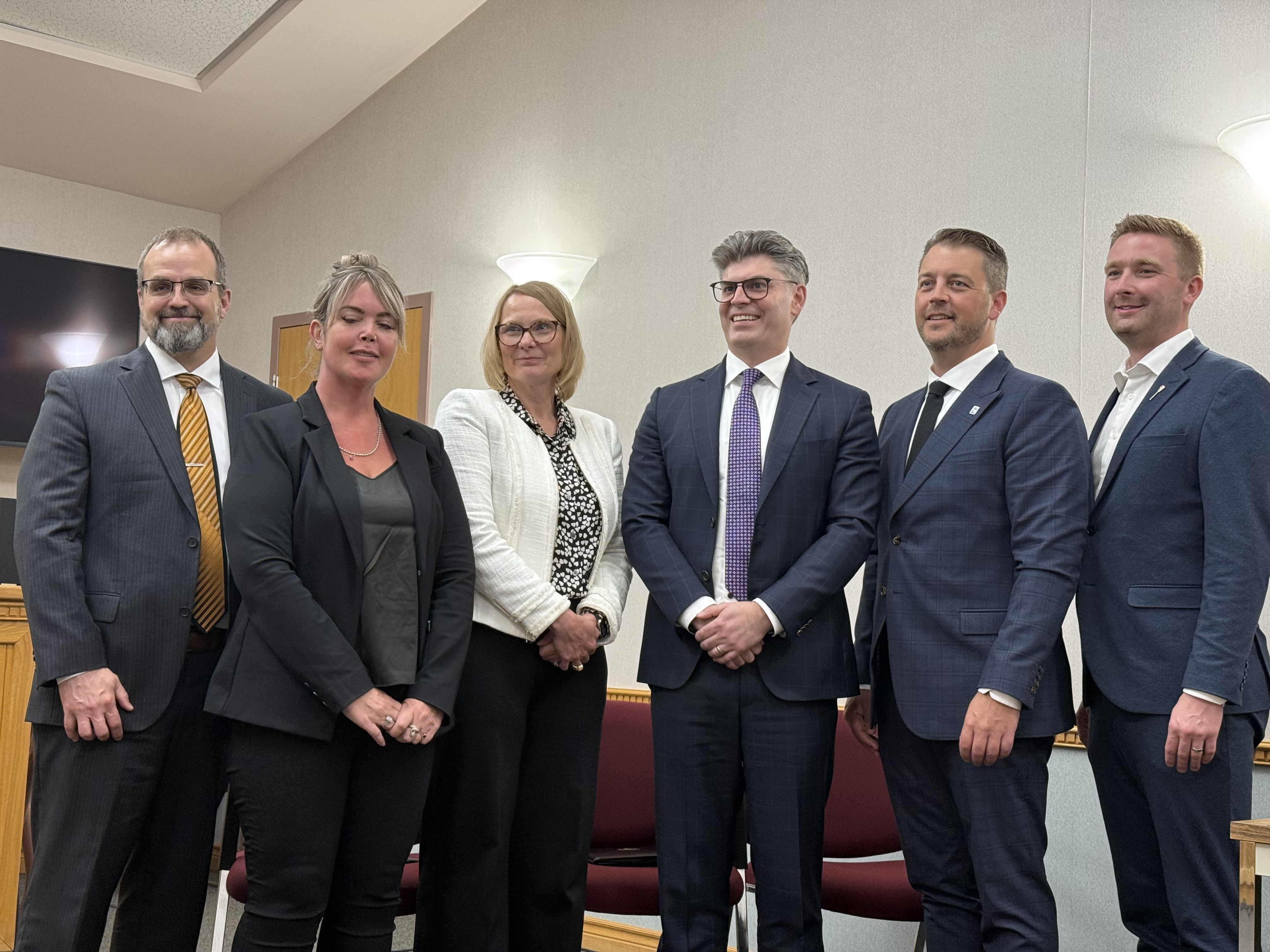
Susan Sebulsky, second from left, is seen during the opening of the North Battleford Drug Treatment Court on July 9, 2025, at the North Battleford Provincial Court. (submitted/City of North Battleford)

That ripple, she added, spreads beyond individuals.

“If it’s a woman with kids, we’re not only helping her — we’re helping her mother, her father, her kids, her sister, her brother. There’s a ripple effect that reaches the whole family.”

These days, Sebulsky helps clients find housing, connect with family doctors and get into detox or treatment programs, while ensuring they stay on track with regular testing, court check-ins and counselling.

So far, two people have entered the North Battleford program, with three more waiting.

Walking beside, not ahead

Sebulsky doesn’t see herself as a saviour.

“I never want to take credit for anyone’s success,” she said. “My place in the role is showing them, hey, it can be done. Some people have lost that hope. I want to be that reminder.”

When she visits Pine Grove to speak with incarcerated women, she tells them exactly where she once sat.

“I said, ‘Hey, I was in here. I was in the grays,’ and they were shocked,” she said. “They said, ‘You were in jail?’ And I said, ‘Yeah, I’ve been where you’ve been.’”

For her, that openness is part of the healing process.

“There’s a map, really. It’s taking that time to work on your healing — whether that’s through counselling, ceremony, or church. The more you’re connected to the community and working on that moral compass, the better off you’re going to be.”

Susan Sebulsky stands outside the Eiling Kramer Building in North Battleford, where her office is located. (Kenneth Cheung/battlefordsNOW)

Lessons in honesty

Sebulsky’s son, now 13, had only ever known the healthy version of her — until a car ride sparked a conversation that changed everything.

“When he was about 11, we were driving to Vancouver,” she said. “We were talking about addiction and I said, ‘Well, you know, addiction runs in the family.’”

“He said, ‘It’s a good thing addiction skipped you, hey?’ And I said, ‘Well… about that.’”

That was the moment she decided to tell him the truth.

“I told him my story,” she said. “He knows that I struggled with addiction … and he knows my story now, and he’s really proud of me.”

For Sebulsky, honesty is part of breaking the cycle.

“We talk openly about addiction,” she said. “I try to be very non-judgmental because I want him to always be able to come to me with his problems.”

Realism and compassion

Sebulsky knows not everyone in drug court will succeed. Some relapse, she said, but even setbacks can lead to change.

“Success looks so different for everyone. But I think the fact that they’re here, they’re trying, they’re getting sober… it’s hard work and it’s hard work being vulnerable.”

She said too many people in Saskatchewan still see addiction and crime as moral failures instead of human struggles.

“People get labelled so quickly — ‘oh, that’s a bad person, throw them in jail,’” she said. “But they’re not going to learn anything in jail.”

For her, real rehabilitation happens in the community. Jail, she said, often teaches the wrong lessons.

“You can send someone away for two or three years, but what are they going to accomplish? Versus being out here, rebuilding connections, staying with family… to me, it seems like an obvious choice.”

Drug treatment court, she added, isn’t leniency.

“If people mess up, we do send them back to jail,” she said.

“But I’d much rather see somebody out in the community having a chance to change their life than sitting in jail for two or three years and making more criminal connections.”

“Sometimes jail is a revolving door,” she said. “[The drug court] gives people at least a chance to shut the door and open a new one.”

She paused for a moment and smiled.

“I’m happy to have this program here in North Battleford,” she said. “It fits the needs of the community. The community just needs to embrace it.”

The first drug treatment court in Saskatchewan opened in Regina in 2006, the second one in Moose Jaw in 2009, and North Battleford is now home to the third.

Kenneth.Cheung@pattisonmedia.com

View Comments