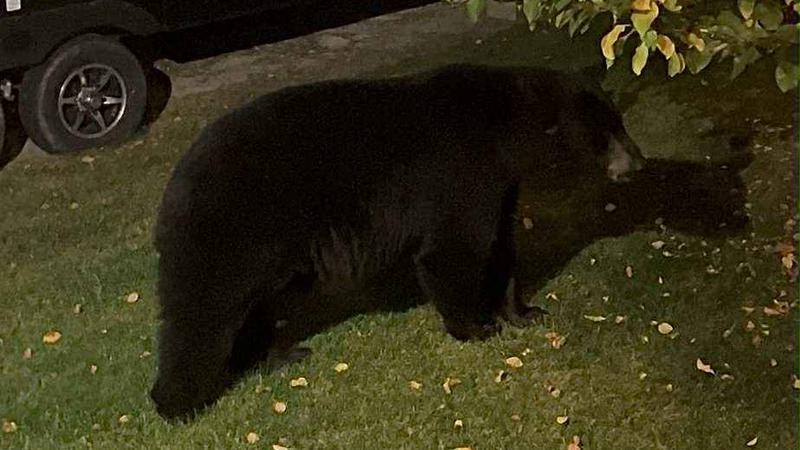
This black bear was recently photographed on a property in La Ronge. (Submitted photo)
wildlife

Black bear complaints in La Ronge area more than double

Oct 15, 2025 | 2:59 PM

Bear-related calls to conservation officers in the La Ronge area in 2025 have more than doubled when compared to 2024.

That’s according to data sent from the Ministry of Corrections, Policing and Public Safety, which shows since April 1, there have been 133 calls compared to 60 calls in all of 2024. That number has jumped in recent months as there were 62 calls from April 1 to July 29.

While many residents have connected the increase in sightings to the large wildfires in Northern Saskatchewan, a provincial black bear expert believes there’s likely more at play.

“It’s not just as simple as drawing a conclusion to wildfire on the landscape and concerns over bears or more nuisance bears,” said Matthew Tokaruk, a biologist with the Ministry of the Environment.


“These are animals that are highly food motivated and fall is an important time for them as they prepare for hibernation, so seeking out food sources is really normal right now and travelling long distances at this time is also normal.”

Tokaruk explained black bears are highly adapted to wildfires, and many of them have likely returned to their territories within the fire zone to unburnt areas. Black bears are not migratory and will not migrate to communities based on wildfires, however, available food sources, especially when coupled with available cover like heavily treed green spaces, can draw animals into conflict with people and communities.

“The area has been impacted by some fire and that can temporarily reduce food availability for bears, so it can perhaps lead them to be travelling further and then when they find food, if it is a food source that can get them in trouble like from someone’s dumpster, for example, or maybe a garden,” Tokaruk remarked.

“Certainly, some will have to move as well as they were displaced, though in the coming years as vegetation recovers, it can be quite good for bears in years three, four or five.”

Tokaruk noted the current black bear population is healthy, stable and there are no cause for concern. He added bears have a rather slow reproductive rate, which doesn’t change the population much year over year.

“It is really important we think about wildlife in these times and the more we can do to manage our attractants, the less likely we are to draw bears into an area or hold them in an area where we don’t want them,” he said.

More information about black bears and what can be done to avoid them can be found online here.

derek.cornet@pattisonmedia.com

View Comments