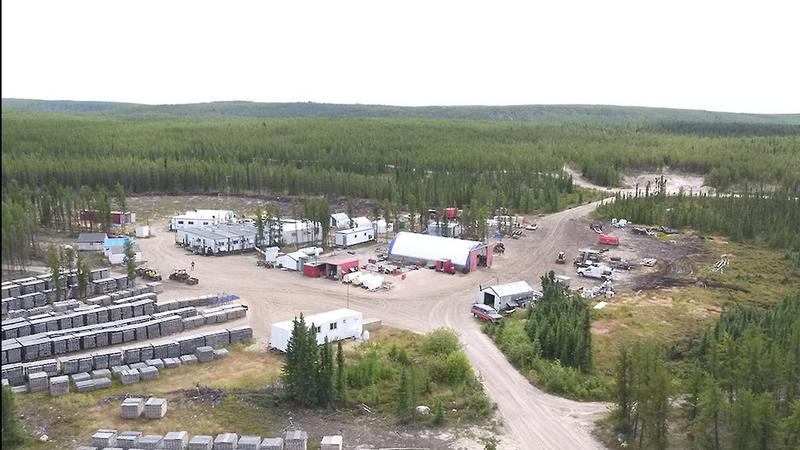
Wheeler River is the largest undeveloped uranium project in the eastern portion of the Athabasca Basin region in northern Saskatchewan, Canada. The project hosts two high-grade uranium deposits: Phoenix and Gryphon. (denisonmines.com)
Duty to consult

Peter Ballantyne Cree Nation takes gov’t to court over uranium project

Oct 31, 2025 | 12:52 PM

The leadership of Peter Ballantyne Cree Nation (PBCN) alleges the provincial government failed to include them in an environmental assessment decision for a uranium project located within the Nation’s traditional territory. They’ve now filed a judicial review in Saskatchewan Court of King’s Bench challenging the decision.

PBCN Chief Peter Beatty said the Government of Saskatchewan failed to meaningfully consult or accommodate the Nation, as required under the Constitution Act, 1982.

“We met with the province. We sent them information. We asked to be at the table,” said Beatty. “Instead, our concerns were sidelined. Consultation is not paperwork — it’s a constitutional duty. Saskatchewan’s actions fell far short of that duty, and we took this step to protect our rights, land, our water, and our people.”

PBCN includes nine communities in northeastern Saskatchewan including Prince Albert, Denare Beach, and Southend. The project site lies roughly 35 kilometres northeast of Key Lake in Treaty 10 territory. If it goes ahead, the PBCN said it would become the largest uranium operation in the Athabasca Basin.


“We’re not totally against it [the mine], but when it comes to not being consulted with, because its in our traditional territory, then it becomes a problem,” Beatty said.

PBCN first raised concerns back in 2022 with provincial and federal regulators but said the Environmental Assessment and Stewardship Branch (EASB) did not formally acknowledge its duty to consult until November 2024. When consultations did start, the Nation was only given six weeks to review thousands of pages of technical documents and no funding to hire experts. PBCN said requests for more time and support to complete a traditional land-use study were denied and key decisions has already been made.

“That is not consultation — that is an after-the-fact invitation to watch someone else decide your future,” he said.

In a press release issued Friday morning, PBCN wrote, “The government’s refusal to properly consult interfered with regulatory timelines and project stability, causing unnecessary delays and litigation risk. Saskatchewan also failed to direct Denison Mines to engage with PBCN, and by the time the company attempted to do so, the process was nearly complete — leaving no opportunity to meaningfully include PBCN’s traditional knowledge in the environmental assessment or decision-making framework.”

The judicial review argues that Saskatchewan adopted an unlawfully narrow approach by focusing only on “current land use” within the project footprint rather than recognizing PBCN’s broader rights, title, and traditional practices.

“We’re worried about the potential impacts on the environment and on our traditional area where we have hunting and trapping and gathering rights under trees, so those are things we hold dear and we’ll fight for this if we have to.”

Beatty said they’re waiting for a response from the government, but are prepared for a long fight if it comes to that.

“We’ve been here since before there was a Saskatchewan, and we’ll still be here when the mines are gone,” he said. “We’re not going anywhere — and neither are our rights.”

paNOW reached out to the provincial government for comment. A spokesperson for the Ministry of Justice and Attorney General responded in an email saying the government has not been served in relation to the matter and since it regards matters that will potentially be before the courts in the future, it would be inappropriate for them to provide comment.

Editors note: This story was updated at 4:15 p.m. on Friday, Oct. 31 to include comment from the provincial government.

panews@pattisonmedia.com

View Comments