B.C. First Nation meets with Alberta minister to oppose changing tanker ban

Dec 8, 2025 | 11:02 AM

Cameron Hill was six or seven years old in the 1970s when he and his father took to the water in a wooden skiff to help form a blockade to stop a ship of oil executives who were looking for a tanker route through Gitga’at First Nation territory on B.C.’s northern coast.

Five decades later, now as the First Nation’s deputy chief, Hill is repeating a pledge to protect the water on which the nation depends, as talk returns to a possible pipeline in the north and oil tankers traversing their waters.

Hill was part of a group of Gitga’at First Nation leaders who met Friday with Alberta’s Minister of Indigenous Relations Rajan Sawhney, a meeting that he described as a “open and honest” as leaders expressed their opposition to any changes to Canada’s tanker ban to service the potential pipeline.

“I thought that this is done now, and again, it rears its head again. So, I guess I can never, ever let my guard down,” he said.


“Because what has been bestowed upon us for thousands of generations is to make sure that what we provide for our future generations is just as good as what was given to us, and that’s what we’re aiming to do.

“And I don’t understand why governments and proponents don’t don’t get that.”

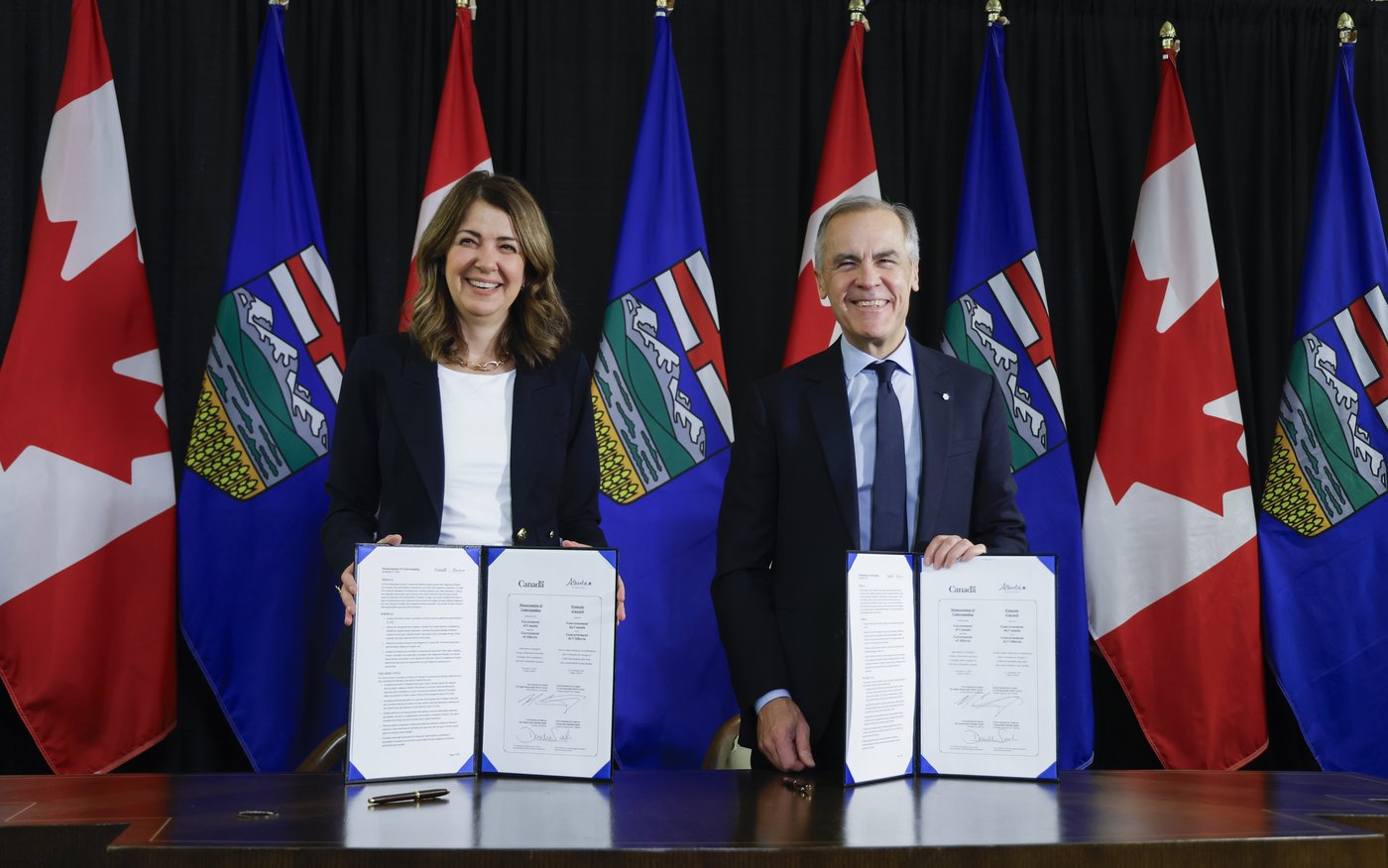
Alberta and the federal government signed a memorandum of understanding last month on steps that would happen if a private company is found to build a pipeline to the northwest coast, including Ottawa “if necessary” adjusting the tanker ban.

The meeting with Sawhney took place over Zoom after two attempts to visit the coastal community of Hartley Bay were cancelled by poor weather, but the minister said making those connections was important.

“So, the idea is to first of all, introduce myself to them, introduce the Government of Alberta, talk about a potential project, and really listen to their concerns, and be able to take that back to our technical advisory team,” she said

The Gitga’at said in a statement that they presented Sawhney with scientific and historical evidence affirming there is no proven method for recovering bitumen spills on B.C.’s north coast, which it says has some of the highest tidal ranges on Earth.

“We raised the question of how bitumen would be recovered from our waters if a spill occurred, and explained that until that question is credibly answered, we will continue to uphold our responsibility to safeguard the marine ecosystems that have sustained our culture, economy, and way of life for 14,000 years,” chief councillor Bruce Reece said in the statement.

“We remain opposed to any removal or weakening of the oil tanker moratorium.”

Hill said in the statement that members source 60 per cent or more of their diet directly from the ocean and the risk of a spill is too great.

Gitga’at territory includes a major portion of Douglas Channel, which is a prospective route oil tankers could travel to get to and from Kitimat, the nation said.

Oil spill cleanup remains a myth, it said.

“Our position is not about opposing development,” Art Sterritt, a Gitga’at advisor and former executive director of the Coastal First Nations, said in the statement.

“It’s about human error which cannot be eliminated, and the scale of risk that cannot be mitigated with existing technology.”

Sterritt said until industry or governments can demonstrate a viable method to retrieve bitumen from the sea floor and foreshore, the threat of an oil spill remains incompatible with the responsibilities entrusted to the First Nation.

In an interview Monday, Sawhney said the concerns raised about safety will be taken back to a technical advisory committee, adding that “the evolution of pipeline safety has come a long way.”

“As we get further into the process, as an application is submitted to the (federal government’s) major projects office, that’s when the legal duty to consult will happen,” she said.

“And at least there will be a starting point as to where do we really need to begin to have this conversation about marine safety and scale response?”

The pipeline plans have faced heavy pushback, particularly from Coastal First Nations which say the project is never going to happen.

A representative for the Coastal First Nations will be in Ottawa on Tuesday during a House of Commons vote on a Conservative motion calling on MPs to support the pipeline construction plans.

Sawhney said she had spoken with B.C. First Nations who are supportive of a pipeline, but has promised to keep them confidential.

“The politics around this can be quite dramatic, for lack of a better word, and it can be quite difficult for nations who come out and support, because there’s a lot of pressure. So I respect that and I understand it,” she said.

Sawhney said it’s important to note that the Gitga’at say they’re not opposed to economic development, and they want to continue talking.

“So, that’s important, because positions can change. We have seen that in the past.”

Hill has invited the minister to come to the community so she can see how they live.

He said he doesn’t know why anyone would try to change his mind after everything he shared about the importance of the area.

“We’re all a part of this together, and we need to look after one another to make sure that we succeed,” he said.

“And in no way, shape, or form can you tell me that a tanker spill is going to enhance that. It’s going to completely kill us and those are the sentiments that I reflected on that meeting.”

This report by The Canadian Press was first published Dec. 8, 2025

Ashley Joannou, The Canadian Press