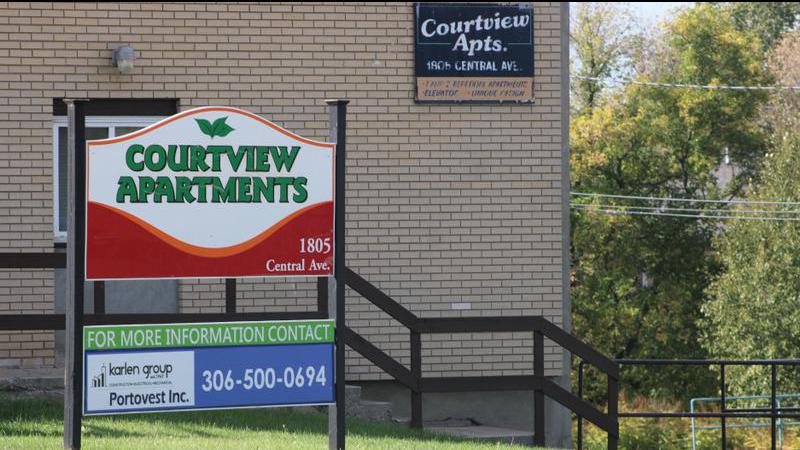
(file photo/paNOW)
Rent increase

Rents drop across Canada, except in Saskatchewan, Nova Scotia

Dec 8, 2025 | 11:50 AM

Only two jurisdictions in Canada are so far immune to the dropping rents caused by slowed population growth and one of them is Saskatchewan.

Numbers from rentals.ca show the average rent across Canada dropped 3.1 per cent — the 14th consecutive month of decline. But that was not the case in Saskatchewan which rose 0.5 per cent.

“The rental market in Canada continues to face short-term challenges as demand pulls back due to a flattening in population growth and continued economic uncertainty, while at the same time supply ramps up as record number of apartments finish construction,” said Shaun Hildebrand, president of Urbanation.

“In this environment, rents can be expected to continue trending down in the next few months during the typical seasonal slowdown.”


Several months ago, CMHC data showed renters in Prince Albert are no exception to the pinch caused by spending more money on housing.

Between 2007 and 2024, a two-bedroom apartment doubled from $562 to $1,096.

Looking at the rentals.ca website in mid-December, however, shows the average rent is now $1,340 for a two-bedroom suite.

Saskatchewan’s official opposition has proposed rent control legislation because of the continuing increase.

In the draft legislation, which the Sask. Party has already gone on record saying will not pass, landlords would be restricted to increases based on inflation rates. Exceptions are written in for joint agreement to raise the rent if the landlord makes certain capital expenses on the unit or if the landlord provides a new or extra service in exchange.

Higher increases could also be seen between tenants and rental buildings less than five years old would not be included either.

The Saskatchewan Realtors’ Association will have the topic of rent control and how policy affects the real estate market as part of its annual State of Real Estate conference on Tuesday.

“Saskatchewan is experiencing one of Canada’s strongest housing markets, driven by population growth, demand resilience, and industry leadership. With the province now debating new rent control legislation, the conversations taking place at State of Real Estate offer valuable context on how policy decisions may impact affordability, supply, and long-term economic momentum,” said the SRA.

While November showed slower growth in the number and value of sales, Prince Albert still saw an 8.6 per cent increase in the benchmark price of a home and now sits at $273,200. Inventory remains down and there is just over three months of supply.

Melfort also increased with an 11 per cent increase in price to $260,800 and less than 1.5 months of supply on the market. The city has 13 homes currently listed and sold 10 in the previous month. Eleven new homes were listed.

Meadow Lake saw a significant increase in the sale of homes priced between $300,000 and $399,999 which helped push their benchmark price up 11.2 per cent to $307,900.

Sales in North Battleford remain strong with a 10.6 increase in the benchmark there to $221,800. Just under six months of supply is available.

Sales in Humboldt have held steady in terms of volume but the price has jumped to $320,200, an increase of 12.5 per cent.

susan.mcneil@pattisonmedia.com

View Comments