Nathan Peters standing on his acreage near MacDowall with the Lobstick fire burning in the background. As the onwer and operator of a sawmill, he anticipates millions of dollars in economic loss as the fire tears through timber in the provincial forest. (Image Credit: Nick Nielsen/paNOW)
Losing ground

Nisbet wildfire could cost $25M in timber losses

May 29, 2026 | 10:35 AM

The Lobstick wildfire in the Nisbet Forest near Prince Albert continues to grow, having already charred more than 13,000 hectares, while local forestry operators warn of millions of dollars in potential economic losses.

The blaze, north of Duck Lake and southwest of MacDowall, prompted an evacuation order Thursday night for the Lily Plain area, but it was later downgraded to an evacuation alert.

Rural Municipality of Duck Lake administrator Karen Baynton said evacuation orders and alerts are issued by the RM on the recommendation of the Saskatchewan Public Safety Agency (SPSA). She said about a dozen people remain on standby in case the order is reissued.

Among those watching the fire closely is Nathan Peters, owner and operator of Peters Junior Contracting, a family-owned sawmill south of Prince Albert. Peters also holds logging rights in the Nisbet Forest and lives on an acreage west of MacDowall near the fire zone.

He estimates the damage to timber and future forestry work in the area could reach between $20 million and $25 million.

“And that isn’t just for our company. There’s a couple other small companies affected, but it’s also yourself. You’re a taxpayer, right? So when we log, we pay Crown dues and fees. Dues go into the general coffer. So now not only has the business lost money, the public has lost some money.”


The Lobstick fire looms just beyond Peters’ lumber yard near MacDowall.

Peters said he also tried early on to assist firefighting efforts, calling the SPSA when the fire first broke out on Tuesday to offer information and equipment support. He said he has not received a follow-up response.

His company manages more than 12 kilometres of logging trails in the Nisbet Forest, which he believes could have helped crews access the fire more quickly.

“At what point do you call or touch base again and just say, ‘hey, do you have any thoughts on the area or do you have any knowledge you’d like to share with us?’ Yeah, this area is poor to get through at this time.’ There’s little things that could certainly be discussed, and I’m just not sure why there’s not follow up.”

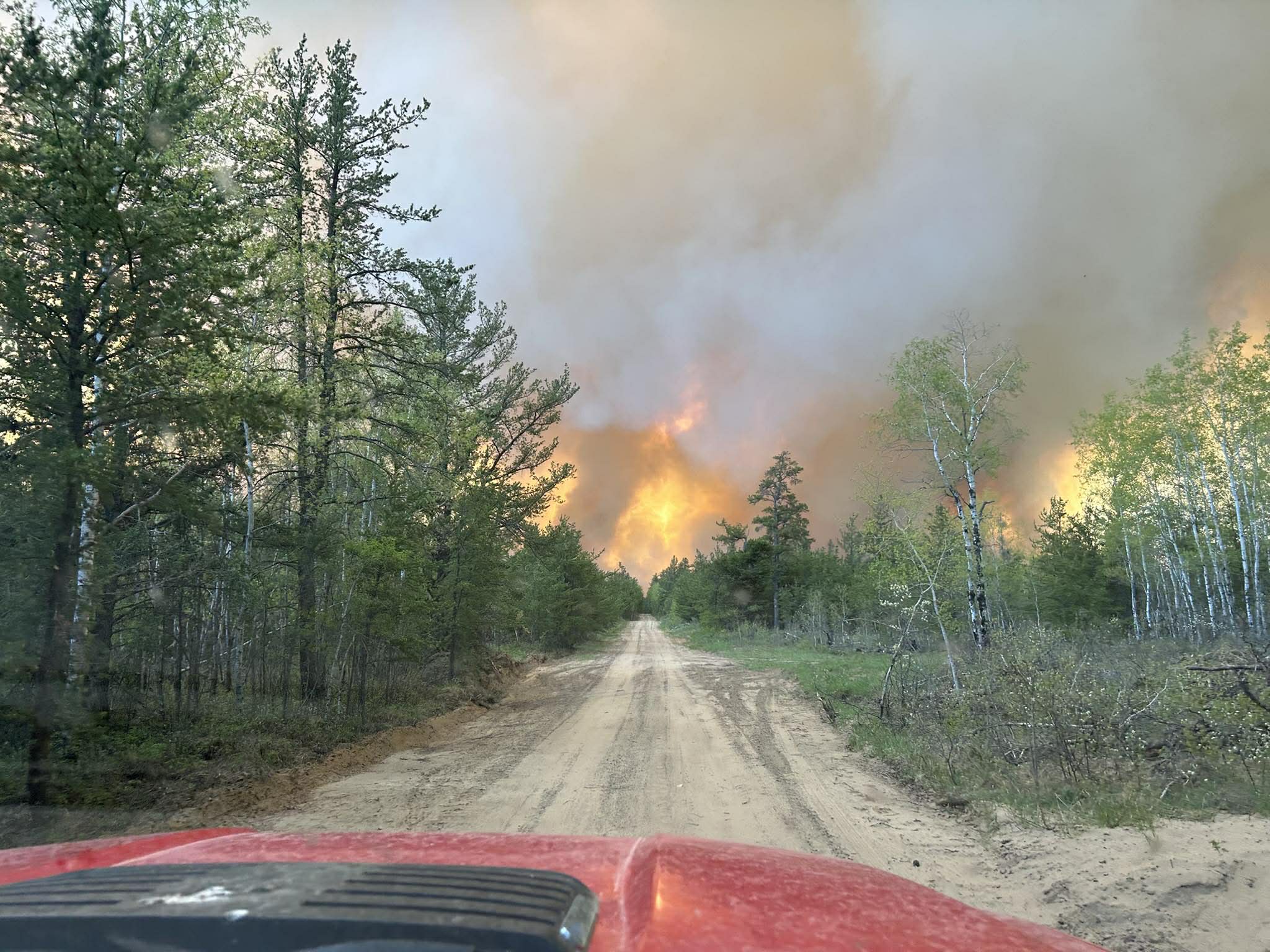
A view of the wildfire from Peters' logging trail that he claims the SPSA could have used to help fight the fire in its earlier stages. He said SPSA dozers were seen using the road on Friday morning.
A view of the wildfire from Peters’ logging trail that he claims the SPSA could have used to help fight the fire in its earlier stages. He said SPSA dozers were seen using the road on Friday morning. (Image Credit: Submitted/Nathan Peters)

Peters also questioned some of the suppression work he observed in the area, saying bulldozers appeared to be cutting firebreaks through already burned sections.

“Why are they wasting time and resources making a fire break through an area that’s already went through? It doesn’t make sense to me.”

paNOW reached out to the SPSA for comment and is waiting for a response. When the fire broke out on Tuesday, the SPSA said Type 1 and 2 crews were assigned to the fire, along with one of the SPSA’s Emergency Response Teams. Additional resources include a retardant tanker group and helicopter support.

Beyond the immediate forestry losses, Peters said the fire has also destroyed recently replanted seedlings in the Nisbet Forest, adding to longer-term costs in an area that had only recently begun recovery from previous fires.

“The area that’s burning was replanted. The silviculture was done and they’re seedlings so those have now burned and have to be replanted and that has to come out of a fund or an increase somewhere. So the spin off on it is huge, and when you talk about impact, we probably had two years of planned work in this area still that’s burning.”

According to the SPSA’s interactive fire map, the blaze is believed to be human-caused. Peters said that does not surprise him, noting the Nisbet Forest is a frequent destination for ATV users and other recreational traffic.

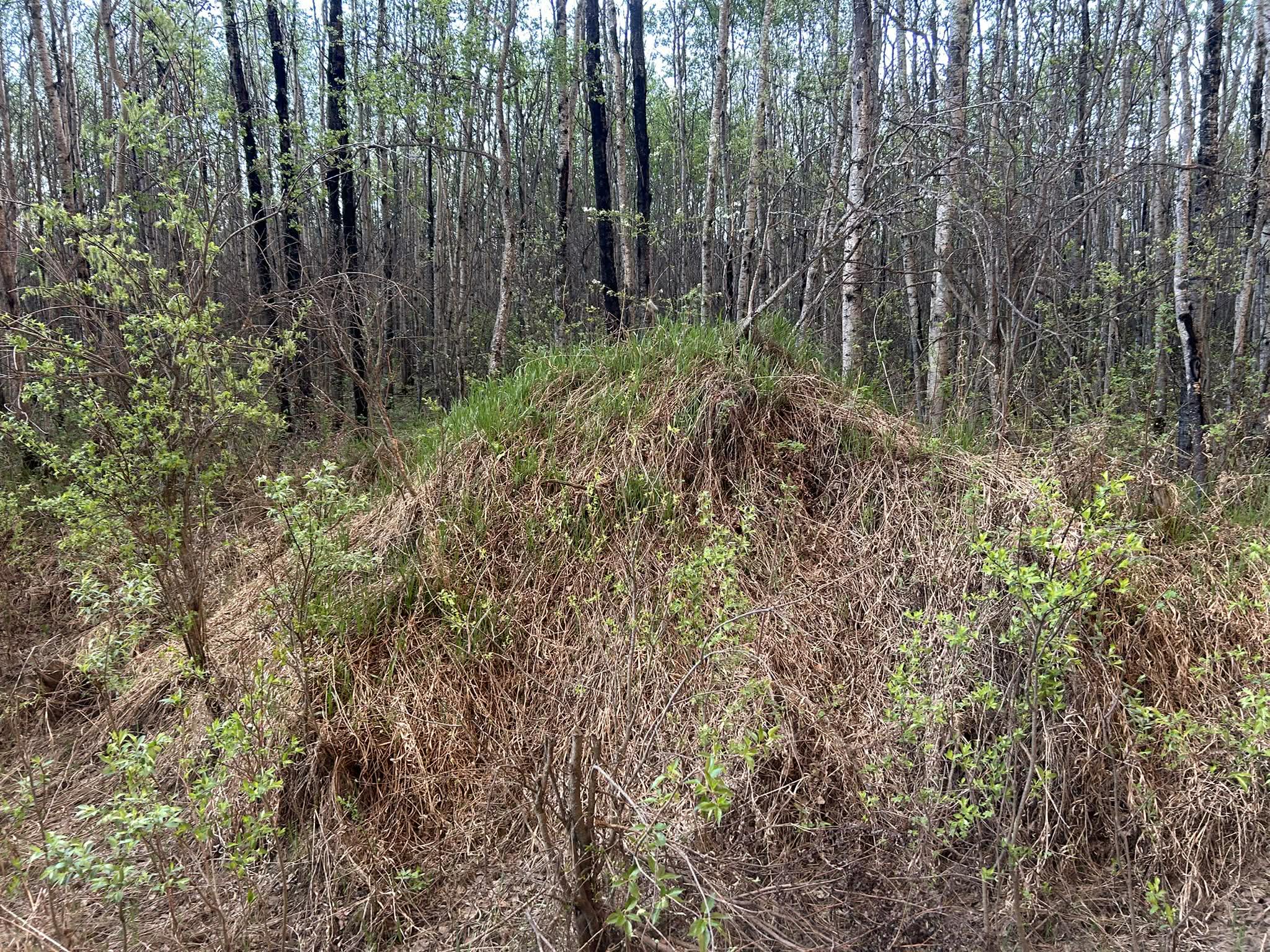
Despite holdings lots of snow just a couple weeks ago, brush inside the Nisbet forest is still brown and dry.
Despite holdings lots of snow just a couple weeks ago, brush inside the Nisbet forest is still brown and dry. (Image Credit: Nick Nielsen/paNOW)

He said fires are a regular occurrence in the area, and more should be done to prevent them through public awareness.

“Through that Crown land, there is not a single sign anywhere that tells you the land you’re on is Crown land. Not only do I see that from a business perspective of operating under a forestry license and having all sorts of standards and guidelines that we have to follow….I see it as, again, somebody that lives right beside the forest, and I’m like, why is there no literature? We’ve all got phones now, put up a QR code that you can scan with your phone and it gives somebody a little intuitive video or a spreadsheet saying, ‘hey, just be cautious out here’.”

Despite the losses in the Nisbet Forest, Peters said his company will continue operating at other sites. He said restoring access and timber rights in the burned area could take more than a year once approvals are complete.

nick.nielsen@pattisonmedia.com

View Comments