(ID 115377202 © Antonio Guillem | Dreamstime.com)
social polarization

Experts warn viral videos on social media are deepening racial divides and community tensions

Aug 26, 2025 | 5:09 PM

CONTENT WARNING: Readers may find the comments within this article offensive.

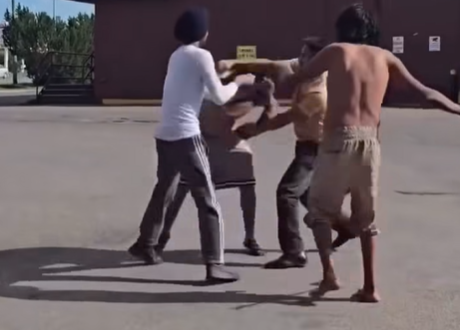
A viral video shows a fight between some men who appear to be of Indo-Canadian descent and others who appear to be Indigenous. There’s no context to it.

At one point, someone in the background says ‘those are the people that steal our women.’ The fight lasts several minutes, with little intervention. While it’s not clear why the fight started, the comments posted on the video developed a storyline of its own:

“Deport! Stop the mass immigration invasion of Canada.”

“Red dot vs. feather…”

“Welcome to Canadastan…”

“This is white people’s fault….somehow.”

The video, taken at a Prince Albert gas station in July, received more than 2.1 million views on X alone.

Screenshot of a viral video from Prince Albert shows four men fighting for several minutes. (Friendly Neighbour/Facebook)

While getting that many hits and likes may be a driving force for people who shared the video, psychologists and police say they’re also feeding social polarization by widening the racial divide, and the damage it can cause is profound.

“There is this tendency of exposing or relaying real events, but not in an empathetic way. So, they’re not using it in a sense where someone takes a video or photo and then integrates it into a documentary that will make people think or call for solutions or empathy. We’re moving toward this high consumption of basically reality that is being used to feed social polarization,” said Dr. Raida Hassan, a psychologist and director/founder of the Canadian Practitioners Network for the Prevention of Extremist Violence.

In many cases, videos posted on social media pages like WTF Prince Albert on Facebook, show drug addicts in vulnerable states, however, few comments show compassion or invite good public discourse about the city’s drug problem.

Hassan said the growing tendency to watch real-life tragedies or catastrophes through social media is disturbing, but mesmerizing.

“In a sense that people feed on these things…just like in traditional news…bad news provides more viewers and money.”

And there are people capitalizing on this exploitative type of content creation. For example, Philadelphia is dealing with a ‘Tranq Tourism’ phenomenon where TikTokers are travelling to the city specifically to film drug addicts under the influence of the dangerous sedative xylazine (aka ‘tranq’) and then monetizing the views.

“These are harmful practices. People often do it not being aware of the personal and social consequences,” Hassan said.

The videos, she said, alter narratives that affect one’s perception of reality.

“Basically, we have a global social narrative where we’re blaming immigrants or minorities or Jews or Arabs… we know this social polarization discourse is increasing and people are feeding into it,” Hassan explained. “Instead of thinking and finding solutions, they hear narratives that these people are not welcome in our country, and then they see these events [on social media] and they confirm their way of thinking.”

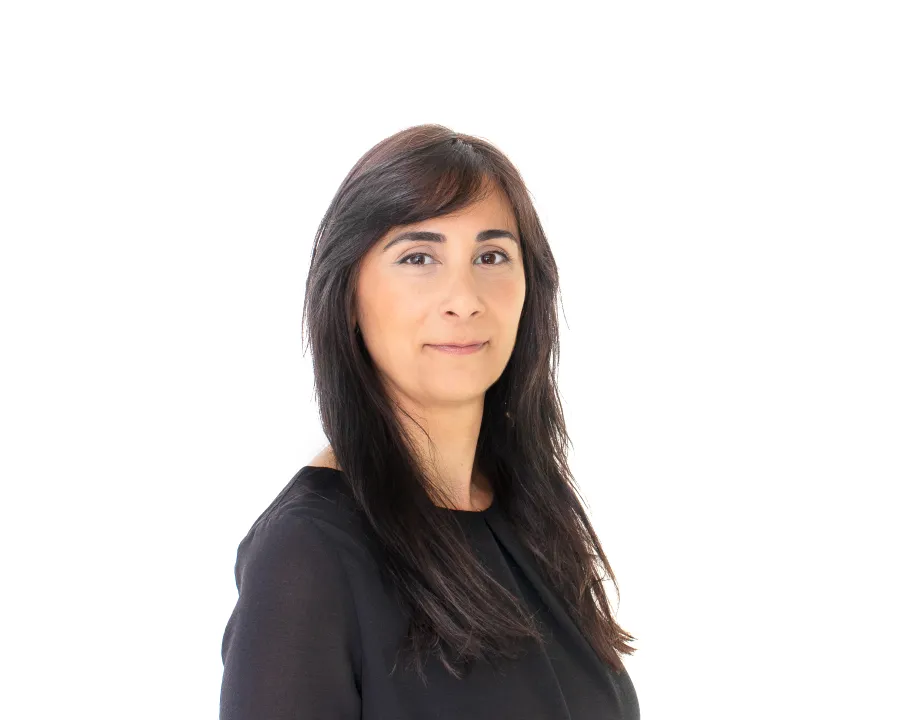
Dr. Ghayda Hassan is a professor of clinical psychology at Université du Québec à Montréal and the director/founder of Canadian Practitioners Network for the Prevention of Extremist Violence. (Photo courtesy: www.cpnprev.ca)

She said sharing the videos, like the gas station fight in Prince Albert, can re-traumatize and humiliate those involved. It can also expose people to further violence if someone feels the need to take revenge.

Members of the public viewing the videos may have emotional reactions to seeing people injured, develop anxiety and fears about being unsafe in their neighbourhoods, or become more negative and more distrustful of others. It all leads to an increase in social polarization and racial resentment.

WTF Prince Albert

Sheila Silcox is one of the administrators on the popular Facebook page ‘WTF Prince Albert.’ It has a following of nearly 74,000 people – practically twice the population of P.A. She said the page started four years ago as a place to post funny memes. It does have a lot of positive posts with people sharing helpful information about missing kids or lost pets, good places to eat, and discussions about civic politics, but Silcox said since the page’s inception a lot has changed.

“We’ve seen a really big shift in racist comments. A huge shift. And not necessarily towards any one group, but it is everybody as a whole that is just creating more of a mess in the group, than success – which is not what we were aiming for,” Silcox said.

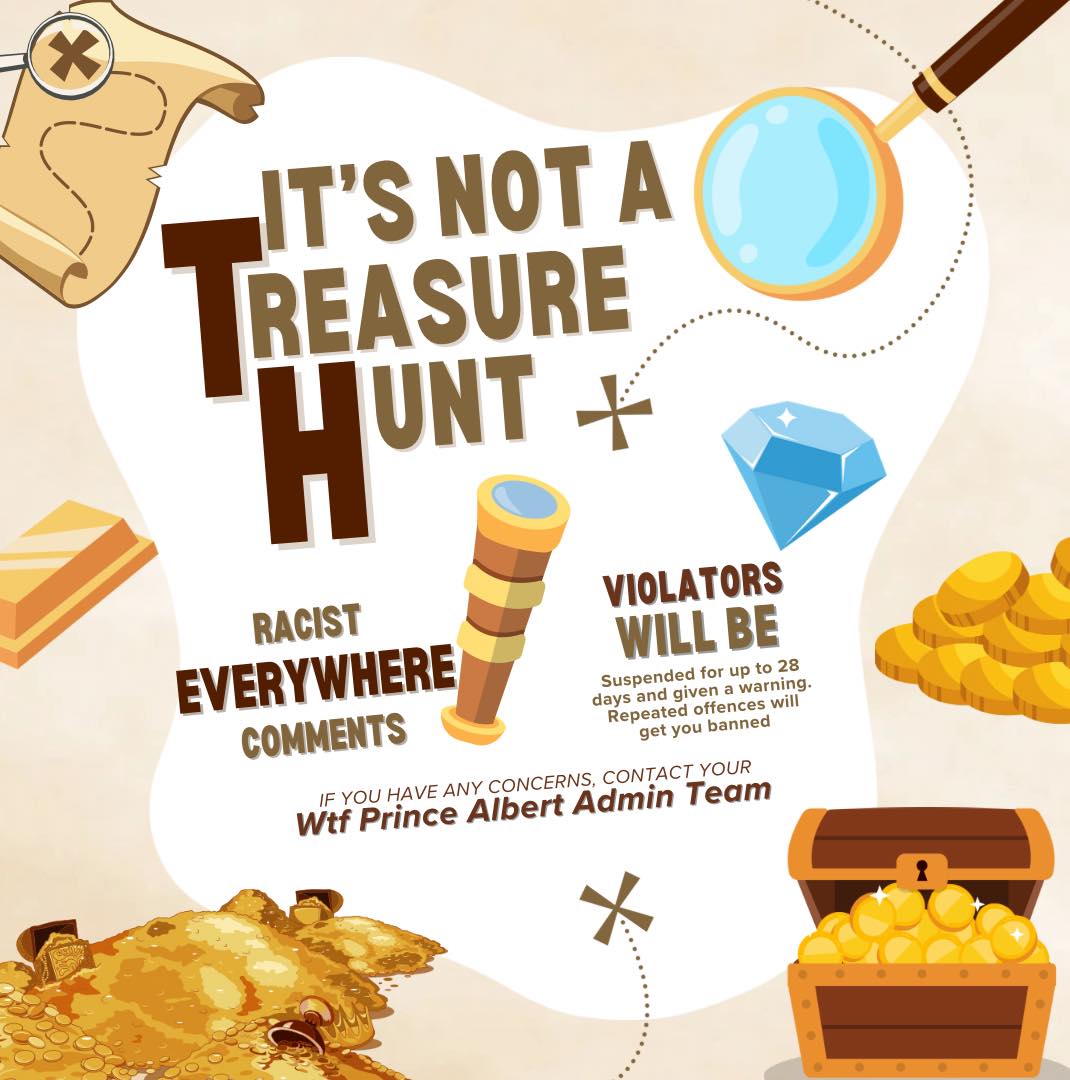
A warning posted on the WTF Prince Albert Facebook page on Aug. 22, 2025 explaining a zero-tolerance policy for racism. (WTF Prince Albert/Facebook)

As a result of the comments, the page recently issued a zero-tolerance policy for racism and page administrators are trying their best to moderate as many comments as they can – a difficult task for a page with so many followers. Silcox said she’s dedicating more than three hours a day to the page.

“There is always going to be this kind of stuff. I just don’t like being a part of facilitating it. That’s why we, as a group, want to clean this up so that people can still feel safe to post what we want: the good, the bad, and the ugly of Prince Albert,” Silcox said.

The video depicting the fight at the gas station was posted on the WTF page, but Silcox said it was removed when comments became divisive and toxic.

“The biggest part is Freedom of Speech and allowing people to be able to communicate and not feel like they’re being moderated, which they were, but trying to allow people to express themselves. But, we quickly found out you can’t do that. It’s not a free-for-all. You can’t do that,” she said.

WTF Prince Albert and similar pages are becoming more mainstream sources of news for locals, since Facebook’s parent company, Meta, banned news organizations from posting on its websites nearly two years ago. Prior to the ban, paNOW and its partner sites disabled reader comments due to an increase in racist and derogatory remarks on its news stories.

Prince Albert’s Deputy Chief of Police, Farica Prince, acknowledged how easy it is for social media to divide a community. She said all too often the police service ends up having to investigate false narratives.

“If you’re the person recording an unfolding emergency, I would hope as a good community member that you’re choosing to be helpful by calling 911 as opposed to choosing to be harmful and posting to social media for the quick dopamine hit — not taking into consideration their privacy, dignity, and just basic human decency,” Prince said.

She also encouraged the public to question the authenticity of videos shared online.

“We do see a lot of AI-generated concerning videos on social media, and just the amount of resources that it takes for police personnel to either monitor comments or monitor the video is growing faster than we can really keep up, honestly.”

Unless you want to provide a positive solution, Hassan also recommends not sharing videos that feed polarization, or engaging in the comment section.

She encourages the public to seek out resources about social media literacy instead that help people understand the impact of their behavior online and the effects of sharing misinformation. MediaSmarts, for example, is an organization that promotes critical thinking via educational resources and better digital citizenship.

She said while the people posting on social media may not have bad intentions, they need to understand it is not without consequence.

teena.monteleone@pattisonmedia.com

View Comments