One of Corey Chmelnyk's bulls. (Image Credit: submitted photo/Corey Chmelnyk)
'IT'S A LOT OF WORK'

From pasture to PBR: Sask. breeder raises high-level bucking bulls

Apr 29, 2026 | 10:08 AM

Corey Chmelnyk began raising bucking rodeo bulls near North Battleford in 2007.  

What began as a small interest while helping in local rodeo, has now put his bulls in some of the highest-level rodeos across North America. 
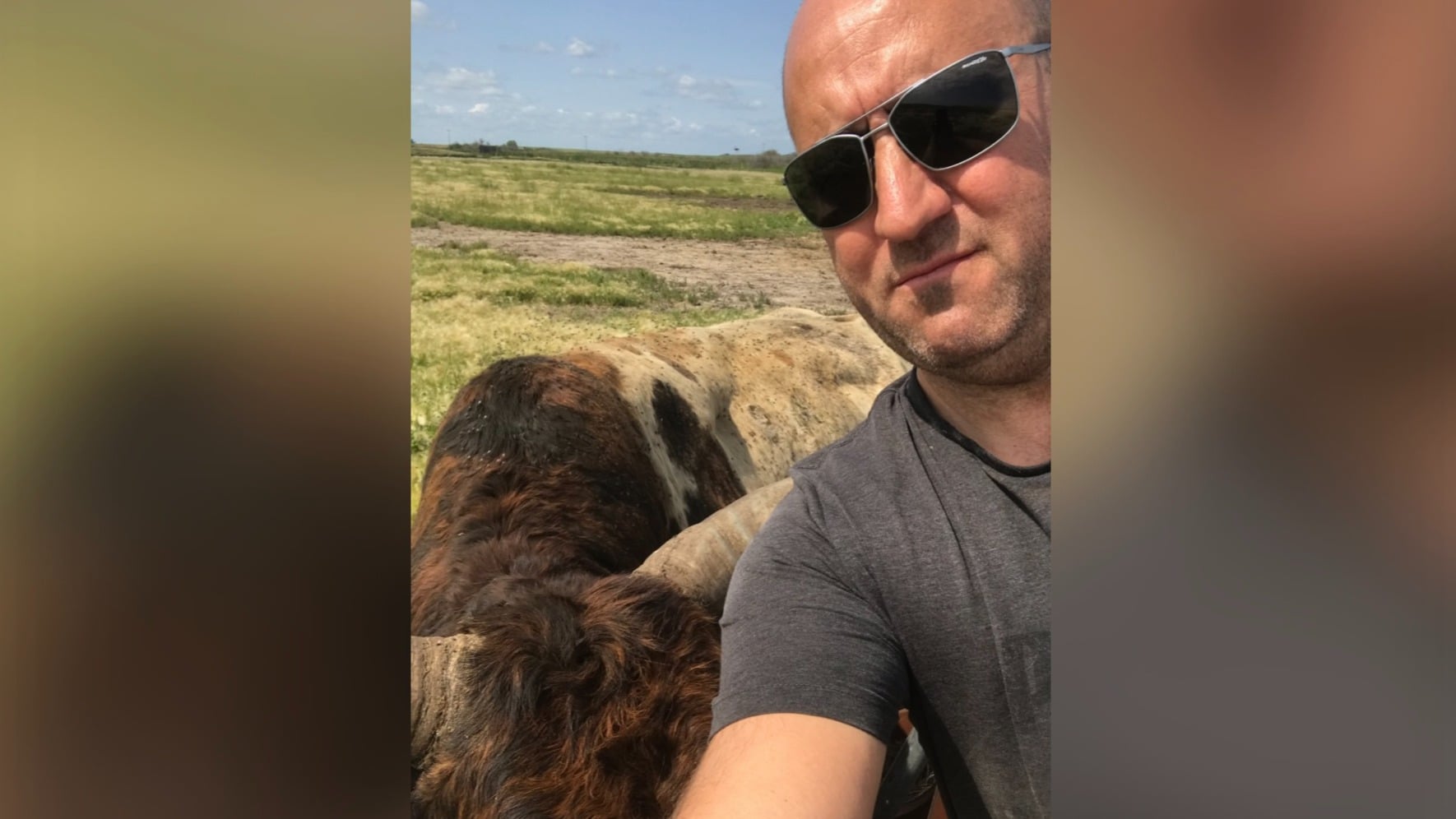
Corey Chmelnyk and one of his bulls.
Corey Chmelnyk and one of his bulls. (Image Credit: Corey Chmelnyk/ submitted)

“It all comes down to genetics and bloodlines,” Chmelnyk explained. “Over the years, we’ve done a lot of work, a lot of homework, a lot of use this cow with this, this bull.” 

Even when breeding the animals correctly, some are simply not cut out for the rodeo lifestyle.  

“You could have 30. And out of those, one might make it to a top level, and it might change. You might get five out of the 30 that might make it to the top level.” 

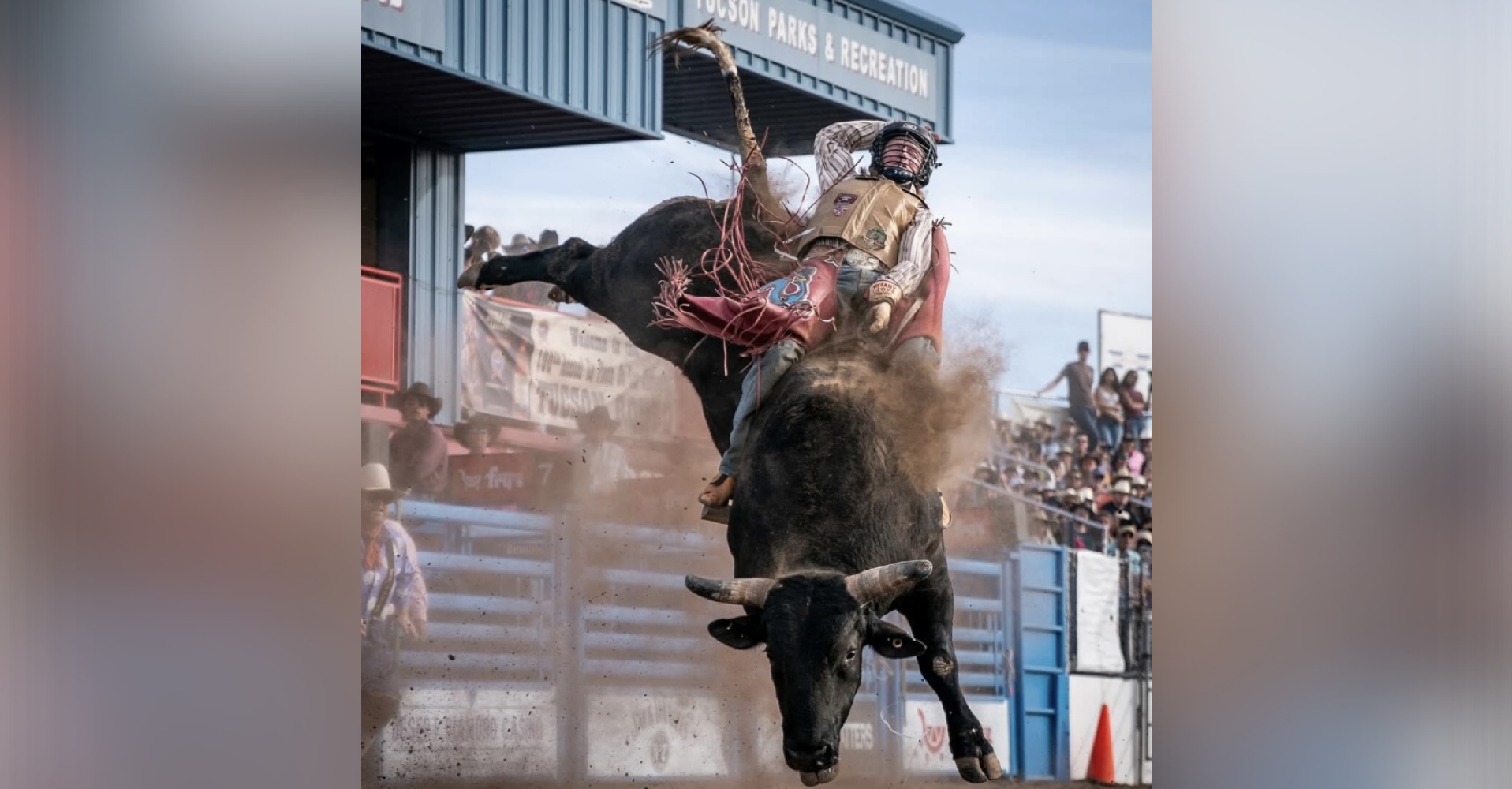
Chmelnyk's bull during a rodeo event.
Chmelnyk’s bull during a rodeo event. (Image Credit: Corey Chmelnyk)

In rodeo, younger bucking bulls will begin in the Canadian Cowboy Association (CAA). Many will stay at that level for the duration of their rodeo life.  

“Sometimes they’ll go in there as a three-year-old, and all of a sudden they start getting better, and then we’ll move them up to the Professional Bull Riders (PBR) level, and then there is PBR in the U.S., and that’s the top” 

Over the years, Chmelnyk has raised 12 bulls that have made it to the world finals, one of which made it to the top 10 in the world.  


Chmelnyk’s bull in the PBR.

Raising the best rodeo bulls doesn’t only come down to genetics and proper breeding; there are also years of training behind the scenes. One of the most effective means of training utilizes the use of a three-to-six-pound dummy. It attaches to the back of the bull’s flank; a cotton rope placed around a bull’s torso, just in front of the hind legs, to encourage bucking. 

“We’ll let them out the gate, buck them for sometimes only about four seconds to start with, then release the flank and the weight. We’ll give them a week off then we’ll do it again,” Chmelnyk said. 

During training, he watches how the bull performs with the hope that it will immediately exit the gate, get into a spin, and then a kick. That is what makes a perfect bucking bull in high-level events. 

“Sometimes they just run out; we call it crow hop. They just run out straight. That’s not good for a bucking bull. We want them to get out of the gate, get into a spin, and the rider gains points with that, so that’s what we need our bulls to do.” 

If a bull doesn’t perform after several training attempts, it will then become a breeding bull or an ‘ornament out in the pasture’, where it retires and is no longer a working bull. 


Chmelnyk’s bull during a rodeo event.

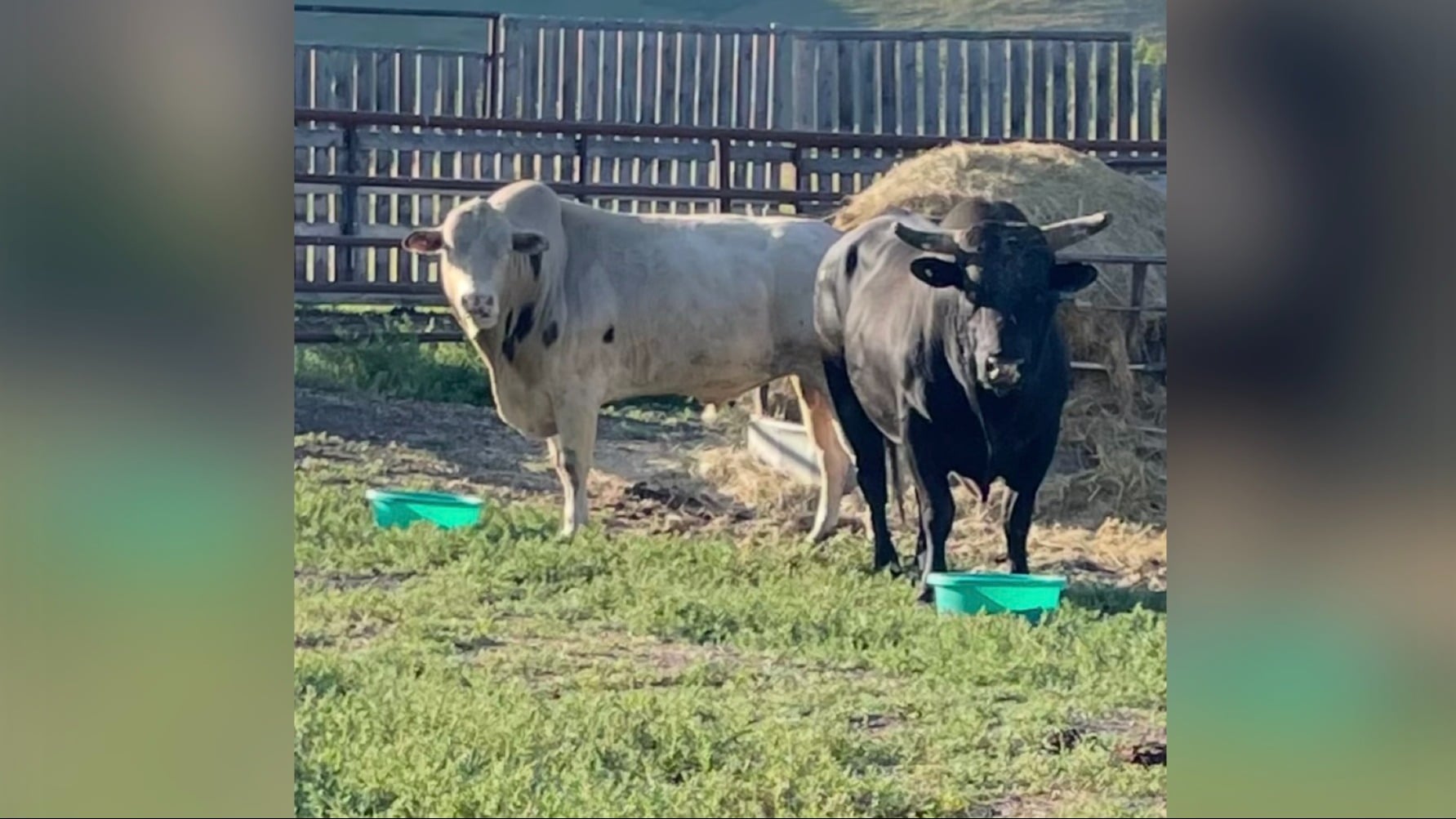
Although rodeo bulls have a reputation of being loud and aggressive animals, Chmelnyk said when in their pens, the animals act very differently.  

“I feed them every day, and a couple of them, I could scratch. They get intense at the rodeo… they love bucking. They definitely are a little mean, and when you get them into the shoots, they buck; they get obviously worked up. But when you get them home, they calm down, and they’re just quiet,” he explained. 

Chmelnyk's bulls in the pasture.
Chmelnyk’s bulls in the pasture. (Image Credit: Corey Chmelnyk/ submitted)

For Chmelnyk, his successful time in the industry has been a dream come true, and something he never imagined becoming this big. 

“It’s not a money-maker; you make enough to pay for your fuel and stuff to get around. But [when] you get to the PBR it gets a little better. But when we get our bulls to the PBR Canadian level, and they’re too good for Canada, so then we end up selling them to the U.S. guys,” he said. 

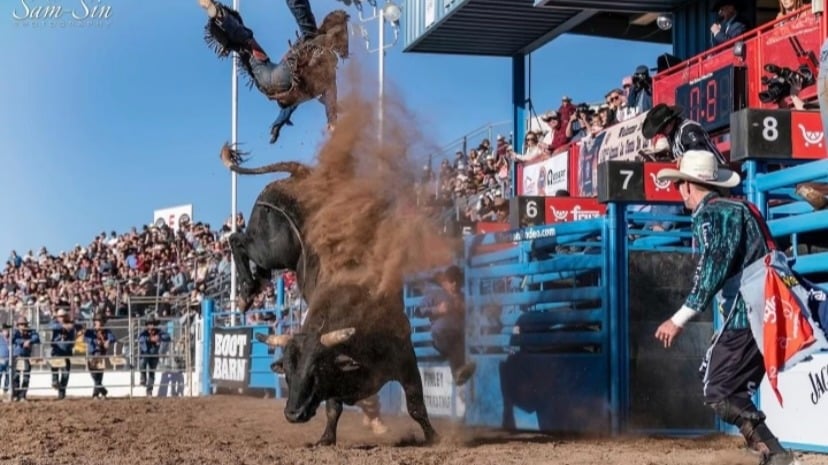
Chmelnyk's bull during a rodeo event.
Chmelnyk’s bull during a rodeo event. (Image Credit: Corey Chmelnyk)

Several of Chmelnyk’s bulls have been sold to the United States, with the top performer selling for $135,000. Today, the pasture holds roughly 30 animals with 10 to 15 currently bucking at a PBR level.  

“When we take 10 bulls to a PBR, if we leave the rest of them at home, the other ones want to jump on the trailer or the truck,” Chmelnyk explained. “They want to get going with us, because they don’t want to get left at home. They want to go and buck; it’s bred in them; they just love it.” 

Alyssa.rudolph@pattisonmedia.com

View Comments