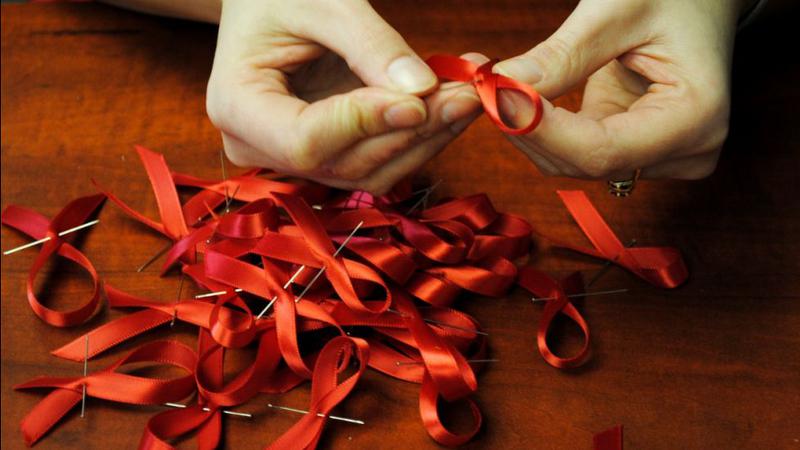
File photo/paNOW Staff
Getting rid of the stigma

Progress being made in HIV rates in First Nations communities

Nov 28, 2020 | 10:00 AM

With World AIDS day coming up on Tuesday, it’s a good time to review how Saskatchewan’s First Nations communities have made progress in recent years in reducing rates in HIV/AIDS.

HIV rates in Saskatchewan First Nations communities have decreased in each year since 2016. They were 45.2 back then per 100,000, now are 31.7 per 100,000. Although those are encouraging figures, medical health officer with Indigenous Services Canada Dr. Ibrahim Khan said there is still a lot of work to do.

The 31.7 rate is around two times higher than the Saskatchewan provincial average—which remains the highest rate in Canada among all the provinces.

But strides are being made, and Khan said it all begins with testing.

“If you really want to tackle HIV, you have to test people first so you know they have it. Once they have it, they get that service and that care that they need,” Khan said. “They’re educated, they’re empowered and then they know what it takes to spread to others and what it takes to prevent it.”

HIV treatment is very effective. Covered non-insured health benefits, treatment for free, transportations, appointments are covered.

Two obstacles that have been identified with combating HIV and other sexually transmitted infections are in testing, and in stigma and discrimination.

Now that there are 50 HIV testing sites in First Nations communities, and 44 communities with Harm Reduction programs, and 30 communities with Know Your Status programming, testing has become a lot easier.

“Testing was a big barrier in the past, which has been overcome by these aggressive and judicious efforts by the community,” Dr. Khan said.

Dr. Khan said that dealing with stigma and discrimination continues to be a work in progress, but one he believes is gaining ground. A big reason for this is that communities are launching a lot of these programs themselves, and being able to deliver culturally sensitive care to those that need it—without them having to leave their communities.

“We still see a great deal of stigma and discrimination, particularly to First Nations women when they go off reserve,” Khan said. “For that reason, our investment and effort have been focused on providing that support for First Nations whether it’s funding support, or nursing support, or any other support, that they actually launch programs that provide those services in a culturally grounded and sensitive way.”

Syphilis outbreak

Just before the pandemic, a syphilis outbreak was declared. In Saskatchewan, the syphilis rates this year (299.1 per 100,000 people) are 12 times higher than they were in 2018 (25.7 per 100,000).

Khan said mobile outreach programs can help prevent and treat outbreaks. They were being used in a “robust approach” two to three years ago and were effective. In recent months however, the pandemic has received a lot of the focus.

Jeff.dandrea@jpbg.ca

On Twitter: @jeff_paNOW

View Comments